MAKING CULTURE VISIBLE
September 4, 2026
Culture is something people often feel before they can explain it. In this Beyond Limits Executive Briefing, Kevin Spindt shows leaders how to move culture out of the realm of values, vibe, and intuition and into the observable behaviors that shape how a team actually works—giving leaders a practical place to create change.
Turning Culture From a Feeling Into Something Visible
Humidity is easy to feel and difficult to point to. Kevin uses that familiar experience to explain why culture can be so frustrating for leaders: people know when a culture feels healthy, tense, collaborative, siloed, or uncertain, but a feeling by itself is difficult to coach, measure, or change. The way forward is to make culture visible.
Kevin defines culture as the beliefs and behavioral norms that guide the actions and decisions of a team or organization. The beliefs sit beneath the surface; results appear at the other end. Between them are the behaviors people can actually see—how meetings are handled, whether questions are welcomed, how conflict is addressed, whether people listen, give credit, respond, follow through, and model the norms they expect from others. That middle layer is where leaders have leverage.
What You Will Take Away
Separate Beliefs From Behaviors
Distinguish the invisible beliefs and assumptions that shape a culture from the observable behavioral norms that reveal it in practice.
Make Culture Observable
Identify concrete actions—asking questions, listening, handling conflict, meeting commitments, and giving feedback—that make culture visible.
Find the Leadership Lever
Move from acting like a thermometer that only measures the climate to a thermostat that actively shapes the behavioral norms of the team.
Build One Norm at a Time
Choose one high-impact, observable behavior and reinforce it consistently until people recognize it as simply how things are done around here.
MAKING CULTURE VISIBLE
Use the controls in the player to enable captions, adjust playback, or enter full-screen mode.
Tip: Select the full-screen icon in the lower-right corner of the player for the best viewing experience.
Culture, Behavior, and Leadership
These answers summarize the central ideas presented in the briefing.
What does it mean to make culture visible?
Making culture visible means translating an abstract feeling into specific behaviors people can see, describe, model, and reinforce. Instead of saying a team needs a better culture, leaders identify what better culture looks like in action.
How does Kevin Spindt define organizational culture?
In the briefing, Kevin defines culture as the beliefs and behavioral norms that guide the actions and decisions of a team or organization—essentially, how we do things around here.
Why are core values on the wall not enough to change culture?
Values can describe what an organization wants to stand for, but culture becomes real through repeated behavior. If employees cannot connect a value to observable actions, the value remains an idea rather than a working norm.
What are examples of observable cultural behaviors?
Examples discussed in the session include asking questions, arriving prepared and on time, giving full attention, providing honest feedback, assuming positive intent, recognizing others, handling conflict directly, and making it safe for people to speak up.
What is the difference between beliefs, behaviors, and results?
Beliefs and assumptions are largely invisible. Behaviors are the actions people can observe. Results are what those patterns eventually produce. Leaders can influence results by shaping and reinforcing the behaviors that connect underlying beliefs to everyday performance.
What does the thermometer-versus-thermostat analogy mean for leaders?
A thermometer tells you the current temperature; it does not change it. Engagement surveys and other measures can reveal the current climate, but leadership requires acting like a thermostat—setting and reinforcing the behavioral expectations that shape the environment.
How should a leader begin changing culture?
Start with one high-impact, observable behavior rather than attempting a complete culture overhaul. Demonstrate it, name it, reinforce it, and repeat it consistently until the behavior becomes a recognizable norm across the team.
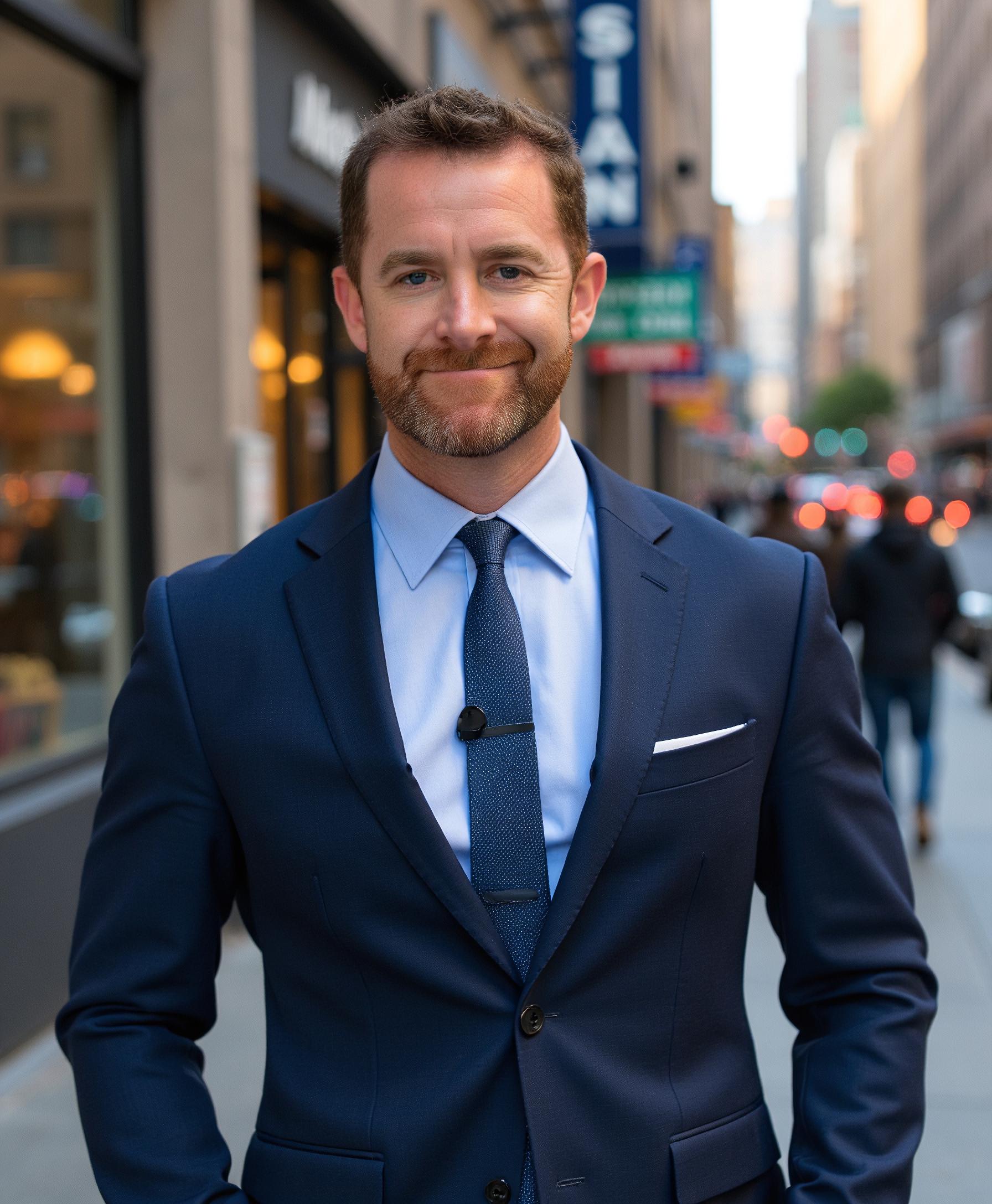
Kevin Spindt
Kevin Spindt is Chief Growth Officer at The Pacific Institute, where he helps individuals, leaders, teams, and organizations unlock greater potential and achieve sustainable growth. His background spans performance and leadership development, professional training, communication, and organizational effectiveness.
Kevin works with business owners, executives, and professionals to strengthen leadership capability, improve performance, and address the beliefs and behaviors that shape workplace culture and business results. His approach combines practical strategy with a focus on the mindset shifts needed to create lasting personal and organizational change.
Read the Webinar
Welcome to Beyond Limits
All right. We are going to slowly get into our day. We'll do a couple of kickoff topics to get started, and then we are going to move into our discussion for today. So thank you all for joining. Welcome to yet another version of "Beyond Limits." We do this on the first Friday of every month. If this is your first time joining us-- We'll go back one slide. I want to introduce myself. My name is Kevin Spindt. I am the Chief Growth Officer here at The Pacific Institute, and we share this executive briefing with you on the first Friday of every month. We've been doing this for over two years now. Somebody put a thumbs up or put something in the chat if you've been joining us for the better part of those two years. Who here has been joining us since August of 2024, which amazingly was two full years ago? And thank you for all those thumbs up and smiling faces, and thank you for coming back.
Go ahead and put in the chat if this is your first time joining us. Any thumbs up, any indication, anything at all that just lets us know that you are here. And I'll tell you what they told me when I was on vacation. If this is your first time here, welcome home. We look forward to having you come back again in the future. So here is how Beyond Limits works. This is what we're going to be doing during these sessions. We get you together for 55 to 60 minutes on the first Friday of every month. This is designed for leaders who want to think differently about the work that they're doing. If you love the status quo, you're going to really enjoy the next hour if you log off. But if you like doing things differently, you're in the right space. We like to do things differently.
So we're going to bring you a new topic every week, something relevant, something that is focused on what leaders are exploring today because leading today is drastically different than it's ever been in the past. And being an effective leader is harder than it's ever been. So we try to bring in a new perspective, something grounded in research experience, real-world application science, something that we can share with you, and then we open it up for discussion. So the reason we want that chat open is the best things that come out of these sessions are not the slides, they're certainly not my bad jokes. It's all the things that you share. It's the thoughts, it's the feedback, it's the vulnerability that you're all willing to share in the chat. So keep that chat open. We're going to come back to it about half a dozen times today, and I'd love to hear from each and every one of you.
A little background on who we are at The Pacific Institute. This gentleman is Lou Tice. This is the founder of The Pacific Institute. Fifty-five years ago, at this time he was a high school football coach and he went and got his master's degree at Stanford. He met a gentleman named Albert Bandura who's considered the individual that taught the concept of self-efficacy, and that's the backbone to everything we do here.Lou's quote, one of my favorites is, "All meaningful and lasting change starts on the inside, and then it works its way out." When he took that information, what ended up happening was it led to a question, a simple question that if you believe that to be true sounds like this: What if real change in us human beings..it starts with our deeply held beliefs, the things that we believe to be true at our core?"And that question took us all around the world.
We've delivered this information in 60 plus countries, 23 different languages, which is exactly 22 more than I speak, 10,000 plus leadership companies, leadership teams rather, and over seven and a half million of you human beings.So all this is to say this is not new information. We've been touching and changing lives and humans and how they perform for the past 55 years. And for the next 55 minutes, we hope to be able to share some of that with all of you.What we learned in the answer to that question was all of you, your teams, your organization, yourself, you're perfectly designed for the results that you're getting right now. And that's not a slight.
It's just to say that everything that you've been doing is the ingredients for your current level of success or lack of success depending on how you want to look at that.As I mentioned in every single one of these sessions, if you're completely happy with the status quo, everything is good, you want it to stay the same, please stop listening to me.But if you're looking for more, and more can be defined as more growth, more alignment, more energy, more innovation, more returns, more fill in the blank here, it's not going to happen externally it's going to happen internally.It's going to start with the conversation that lives between your right ear and your left ear. That one that we call self talk.
Back to top ↑Starting With Something Good
So we kick off these sessions the same way every single time. I want to know what's going on between your right ear and your left ear. Open the chat or shout it out if you'd like, but this is the part of the session that we call Tell Me Something Good. I want every person here to put in the chat anything at all that is good. This can be personal or professional. This can be big or small. A big example would be that I dropped my daughter off at college a couple of weeks ago. She's kicking butt and taking names. That's something good.
It can also be something small. I had a meeting with the executive team at The Pacific Institute this morning and we had a delightful time laughing and having a good conversation together. Jeff Bradley led the way with going to see his grandson. Somebody is launching an executive coaching firm on Tuesday. Meeting friends at the beach this weekend. Spending time with family. A collaborative meeting with the team. A successful recognition event for employees.
If you've got your camera on, look around at the other people in the room. Every person is smiling and leaning in. We spent less than a couple of minutes doing this, and all we've done is decide that we're going to paint the rest of this conversation with some bright, light colors. We're going to be focused on the good things. This is an activity we do at the beginning of all of our sessions, and it's an activity I recommend you do at home—before dinner, before a conversation with your children, or before a meeting.
The inverse is what humans often do by accident. We sit down with a coworker and, before the meeting starts, commiserate about all the things that have gone wrong—customers, compensation plans, whatever it may be. Just consider the different colors you might be painting the rest of the day when you do it that way.
Back to top ↑Why Culture Feels Like Humidity
So thank you, everybody, for helping paint this in the light, bright, happy "something good" colors for the rest of our session. Here's a topic. I want to see some answers in the chat. Who thinks they live in the place that has the most humidity in the country right now? Where are you? Where do you think the most humidity in the United States is right now? Keep it here to the U.S. You can say Hawaii if you want to go outside the lower 48. We've got a couple votes from Illinois, South Florida, West Virginia, Missouri—not Denver. We all know what humidity feels like. Living in San Diego, for the first time in our lives we get to tell you that we're complaining about the weather because we're experiencing what's known as a heat dome. That means Rebecca and I, here in San Diego, just happen to know what you all are going through most of the time. It's September. Just about everywhere, we know what humidity feels like.
But what does humidity look like? Can you see humidity? You can't. You can't look out your window and, unless you see somebody sweating profusely, really see humidity. It's this untouchable thing that can be extremely strong. We walked outside the other day and my son said, "It feels like San Diego is breathing on me." You can feel humidity; you just can't see it. But the second you're in an environment where the humidity is high, you know it's there. Culture works the exact same way. When you think about a culture, you can't place your finger on it, but we all know what that experience, that feeling, is like when you go into a building, a company, a team, an organization, and you can absolutely feel whether the humidity is high or low. That's great if we can understand that as culture. It's a little frustrating when you think about the fact that, how the heck do you manage a feeling?
How do you manage something that you can't put your fingers on? How do you manage and measure something that you can't touch, taste, or see? That's where culture gets difficult for the exact same reason. We understand how it feels, but too often we don't know what we can do to make changes. So here's an example. First time for you all: put a few things in the chat. I'm going to give everybody 90 seconds or so to answer. What I want to know from you, from a feeling standpoint, is: what's the humidity in your workplace right now? What does your work culture feel like currently? Answers are flying into the chat. Undefined, confused. I like the answer of warmth. Culture of caring is wonderful. Collaborative. Sometimes we go the other direction in micromanaging. Chaotic, isolated, siloed. Windy. I like that answer, Kelly. Good honest answer from Jody, because they're going through a merger, there's some fear. It's absolutely a feeling.
Hard to draw, hard to point the finger at, hard to touch. Chaotic is an answer. Unfocused is an answer. Paced, uncertain, changing. We get it. So we know what it feels like. Tense is another answer that snuck its way in there. So we can identify what that feeling is. Great. We can label it.
Back to top ↑The Gap Between Culture’s Importance and Experience
Does anybody feel a bit frustrated in not being able to know what the heck to do about it? Let's go a little bit further into what we're actually seeing. Sources are cited down on the bottom. SHRM data has supported this. Any guesses what percentage of CEOs, leaders of organizations, people like Richard Resnick who's on our screen, what percentage of CEOs say and believe that culture is important? Put your answers in the chat. Quick answer came in north of 90. A lot of people saying 100. So most people are picking really big numbers. I haven't seen a single person say 10% or 20%. Lowest number I've seen so far is 75 with everything coming in high. 2026 poll data so far says 94% of the Richard Resnicks out there, 94% of the CEOs that are out there say that culture is critical. So shocker, you sit down with the executive team led by your CEO and they're telling you culture matters.
They might have even said something like "Culture eats strategy for breakfast." Employees don't feel it. Current employees only one in four are feeling connected to their culture. So there's a pretty massive gap between what people leading those cultures want and say is important and what the people who actually experience and feel that. Culture eats strategy for breakfast. Peter Drucker is talking about this gap right here, that invisible gap right there in between what the executives are saying is critical and what matters and what's actually being experienced, and that gap is getting bigger. Couple years ago that was 28%, couple years before that it was 30%, but right now it keeps getting worse. Everyone agrees across the board that culture is important, but nobody can do anything about it.
The best we can hope to do with that culture is wait until that humidity gets bad enough that we can see the condensation, that we can actually see what's going on. So here's what it ends up looking like. We need to reframe that. We want to look at that through a different lens. Just like we said tell me something good, we want to look at that through a different lens. We need to reframe how we're going to look at this as well. So the gap is not that culture doesn't matter. It's not that we don't believe that it matters. It's we haven't figured out how to move something invisible yet. We haven't connected the dots between what do I need to physically do to be able to feel the change. So the leaders keep focusing on the feeling or the vibe or the values on the wall which show of hands or put a thumbs up in the chat if your company has core values and they're written on the wall somewhere in your building. Those up there.
Keep your hand up if every one of the employees in your organization can recite them without reading them off of the wall. For the record I don't know what ours are all the time so I'm not above this. This is a very common thing. We talk about how important it is so much to the extent that we decorate our break room with it but you ask people what are the five core values of this organization and they simply can't say anything.
So instead of trying to focus on a thing that you can't move you can only feel what we really need to do is translate this out of a feeling and into something we can take action on And this is what my good friend Cheryl Hicks describes as identifying what are the behaviors that demonstrate your culture What does it look like in practice And what we're going to be focusing on for the next 45 minutes is exactly that: what does it look like to take culture and turn it into behaviors Something that we can actually see Before it's the equivalent of humidity waiting
Back to top ↑Culture as Beliefs and Behavioral Norms
for that condensation to pile up on the windows Here's what culture actually is Right Culture is the beliefs and behavioral norms that guide the actions and decisions of a team or an organization It's how we do things around here The beliefs are the part that you feel It's what's going on behind the scenes It's what you believe to be true It's what you think guides It's the truth that you tell yourself all the time Behavioral norms are what you see It's how people are behaving and acting Behavioral norms are actions. Whether or not we respond to emails and messages right away whether or not we show up to meetings on time whether or not we close our laptops and give full attention to the person speaking whether or not we turn on our cameras Are all examples of what a culture really is You can feel it But we wanna be able to move it towards things that you can actually see.
Monkey see monkey do works when monkey can see The goal is we're gonna try to make it so we can see it. We need to go from the beliefs that you can feel Which are That's the humility part It's invisible It's not going away We can change them slowly over time but it takes practice and repetition There's the behaviors you can actually see These are the people doing the work in the room just turning the cameras on This is being at the meeting This is turning things in on time This is being honest with your employees This is handling conflicts upfront All the behaviors that you see in a positive culture The final part is your results. Let's get some arm exercise Who here's responsible for a result Like everybody raises their hand great.
If you're trying to get results and you're trying to move that spend time trying to move the thing that you can actually reach and that's going to be that behavior Cheryl Hicks our chief consulting officer helped us understand what we mean by behavioral norms We partner with a company called Human Synergistics that can assess these types of things If you're trying to find out the culture that you have let us know and we'll identify that for you through a series of behavioral norms We'll just level set with what those mean I'll send this slide out to anybody who wants it afterwards There's a QR code at the end All you have to do is email me and I will send you a copy of this exact slide But behavioral norms are evident within organizations and generally within most societies These are the quote unwritten rules that make it easier for people to know what they should or should not do around here Is it acceptable to ask questions Is it acceptable to be late Is it acceptable to fill in the blank here They apply to everybody within the organization There are subcultures but if you're talking about behavioral norms these are the behaviors that are expected of all people throughout the system or subsystem They are shaped by the beliefs and the assumptions and the values and the biases and the heuristics They're shaped by the things that have happened in the past They're shaped by our unconscious They lead to general patterns.
People can emulate what we see in others I use the James Baldwin quote all the time Children have never been very good at following their elders Or listening to their elders but have never failed to imitate them And it works the exact same way in culture When you have behavioral norms that can be copied and we know how we are supposed to act then we know what we are supposed to do And they guide people to work think behave how they're supposed to interact with
Back to top ↑The Three Layers of Culture
one another There's three different categories There's the ones that we can see That's your customs that's your rites that's your ceremonies Used to work for a startup company where every time a new employee started they took a pledge in front of the company that everybody sat along with him That's a rite That's a ceremony That's the whether or not you qualify for this conference or that conference when you're in a sales organization How we handle our meetings and share results These are all the observable things There's also the unobservable There's the assumptions the values the beliefs the 'We tried that before but it didn't work.' 'That's not the way we do things around here.' These are never written down but they're what's guiding the observable actions Then there's the middle ground stuff These are consciously held notions These are the types of things that human beings are doing consciously and unconsciously To answer the question of what do I have to do to feel safe In this organization psychologically safe Physically safe What do I have to do to fit in around here?
So you go to a football game. What do you have to do to fit in as a fan? You're going to wear different clothing. You might bring a banner with you. You might stand up and do the wave when everybody else does. These are unspoken parts of culture that are visual, and you know if I do these things, I will fit in. I can feel safe. I can survive. And these exist across all organizations, all teams, all families, everything. If you've got a culture that has that humidity, you've got these different levels. And we all know the iceberg analogy. There's what you see, and then there's the big old part of the iceberg that sunk the Titanic which is underneath it. So let's start with the unobservable layer, the part that's beneath. Those are those assumptions, values, beliefs, heuristics. Those are the types of things where you're trying to guide what you expect for the future based on things that have happened in the past.
At a super high level your brain is just a prediction machine that's trying to predict the future, and when you use those past assumptions and values and beliefs, you're able to say, "I can predict what the future of this culture is going to be like or act like." But this is the real invisible force. This is the powerful part. But you can't really point at it. Can you point at what people believe? You can only point at what they do with the actions based on those beliefs. Can you point at what people feel? Not really. You can just point at what they say based on how they feel. So these are the invisible parts. So within your organization, let's open up that chat again. What's an unwritten rule that everybody on your team knows but nobody says out loud, but it's a guiding principle? It's how we do things around here. What's one of the examples for you? Unwritten rule everybody knows but nobody says out loud.
The first one that came in is wonderful. We chip in to help out when needed. That's a great unobservable rule. Three minutes early and always on camera. I like that. It's like the slightly less aggressive version than Lombardi time where the clocks are set 15 minutes slow so if you're not 15 minutes early, you're late. Staying late. Respond quickly to client emergencies. We respect each other's humanity. Gorgeous. What about some of the ones that maybe aren't super helpful? Like I always follow-up on all my emails every day . Following the chain of command even though everybody knows it isn't working. Good honest answers . Everybody a chance to fill these ones in. There's some good thought and I can see some folks typing away . Ah don't say no to the CEO absolutely. Example from a client that we work with: the assumption that we can't come down on those employees; I didn't hire them.
They were part of a merger, which is bad in two different ways because now you're not even viewing them as part of the team also unobservable. So a lot of positives, a lot of above and beyond. I challenge everybody to think a little bit of what are some of the ones in the background though that might potentially be hindering your ability to be successful. The last one that went in there was a good example of that. Be careful to speak your mind. Using that example,if a culture believed be careful to speak your mind, we wouldn't have the Netflix that we have today.
The Netflix that we have today started from a suggestion from an intern that said why don't we just do this through the mail, because Netflix used to be a lot more complicated.And if your culture is 'be careful who you speak your mind to,' that suggestion doesn't come up, and we might all be delivering things from Blockbuster right now.But that's the difference between an unspoken part of a culture and a version of a culture that says every opinion matters. If you've got a voice, let's hear it. The story of Netflix is that's an unnamed interning intern. They never got her name. In Netflix lore she's known as New Girl.So when your culture supports anybody, even somebody whose name we can't remember, to give a good idea, that's a culture that's supporting behaviors that you can see. You don't see the behavior if New Girl doesn't say anything.
If she sits quietly in that meeting and doesn't say a word, that's an unobserved consequence from a culture. So let's move into the
Back to top ↑Making Culture Visible Through Behavior
So let's move into the observable layer. Let's take a look at what we can actually see—the top of the iceberg. These are the rites, the ceremonies, the stories, the heroes, the people, and the legends. For us, that's Lou Tice. We've got our lore and the people who have carried it throughout the years, including facilitators like Tracy Smith who have touched thousands of people with this work.
If the belief is the humidity portion, then the behavior is the condensation on the glass that you can see. It's the consequence of the culture. When it's great, we notice it. When it's bad, we notice that too. This is where culture starts to become visible. The goal is not to wait until the condensation appears; the goal is to take action and name the different behaviors so we can make the culture visible sooner.
So let's open up the chat again. What is an observable behavior that tells you a culture is healthy? What's something you can look at and know unequivocally that this is a good culture? The answers include healthy debate, people smiling, people being willing to ask questions, caring communication, being welcoming, having fun and laughing, participation in team outings, and honest feedback about performance.
Other answers include offering different solutions and being willing to play the role of red team without that becoming a problem. Paul offers a good one: no bus to throw anybody in front of. That's a world I want to live in.
I have the good fortune of working with Dr. Sarah Sarkis from time to time, who is an organizational psychologist. She describes the strongest teams—and you can look up Google's Project Aristotle for supporting evidence—as teams with high levels of intellectual conflict and low levels of social conflict. We can butt heads vigorously about facts, details, and things that matter, but at the end of the day we understand that we still care about one another as human beings. Low social conflict and high intellectual conflict help create stronger teams.
Back to top ↑What Healthy and Unhealthy Culture Looks Like
Still on the topic of visible behavior, let's move forward just a little bit. Same type of question: name an observable behavior that tells you a culture is in trouble. Iceberg straight ahead—what does it look like? How do we know it's in trouble? Cheryl comes in with a hammer right off the bat: rules are more important than anything. High turnover. A 'not my problem' attitude. 'It's not my job.' Lots of finger-pointing. 'It's the marketing team's problem.' 'If only the salespeople would do their job, we wouldn't have these problems.'
Kelly puts a good one in the chat: not asking questions. Silence is an observable behavior because we all know what uncomfortable silence feels like and how ten seconds of it can feel much longer. Those are all visible warning signs.
One more question on making culture visible: what's an observable behavior that you see on the very best days—the days you wish you could see every day? Maybe somebody gets a promotion or you land a major contract. What behaviors show up then, and how could those become everyday behaviors? High fives. Generosity. Giving others credit. Assuming positive intent. Giving grace. Recognition. Empathy. Listening.
This isn't pie-in-the-sky stuff. These are simple behaviors we already know how to do. We know what it's supposed to look like. The important question is how to take control of the lever and move the needle instead of only talking about culture.
Back to top ↑Where Leaders Have Leverage
So the middle ground is where you have leverage. The middle ground is where you can grab ahold of a lever that allows you to start making changes. If you're familiar with The Pacific Institute, the middle ground is where you take your locus of control and you keep it on the inside, where you take control of the things around you. And this is the layer that only a leader can actually reach and only can move. It's the consciously held stuff. It's the beliefs that everybody understands. So what you can do is you can look at the environment you have around you, and you can take the temperature. Raise your hand or put a thumbs up in the chat if you, your team, your organization has done an engagement survey in the past four or five years. When you do that, you have a wonderful ability to understand what the temperature is, an amazing ability to know exactly what's going on.
You can evaluate the condensation that has appeared on the windows at that point. But what we want folks to focus on is thinking not so much of what can you look at, but what can you change? Because a thermometer doesn't change the temperature, it just tells you what it is. It's a lagging indicator for culture. Seeing the condensation on the window is the lagging indicator to the culture showing there's too much humidity. What leaders need to do is think about their role as more being a thermostat, as the one that sets the temperature for that room, the one that is able to identify where that goes, where you shape what the behavioral norms are, and you shape the environment. So it moves the task of the leader away from the impossible which is trying to manage the feeling or the temperature but instead managing the thermostat taking control.
If you're using the thermostat parameters--if you set the thermostat to 72 degrees, you're managing those behaviors between 70 and 74. Everything inside of that is acceptable and you'll stay within the appropriate temperature that you set. If you've been to these sessions before, you've seen this slide where I talk about how results are driven. If you think about this with the beliefs and the behaviors that you see and the results that you want, we know that strategy is at the very edge of behavior. We need people to take the actions, but the least amount of leverage we get is from strategy. Because in order for strategy to work, I need Aaron to do his job. I need John to do his job. I need me to do my job. So we get a little bit of leverage even on the very best strategies that are out there.
If we can start modifying the behaviors getting the ditch diggers to dig the ditches then it becomes a little different and when we make those behaviors observable and they're in lockstep with our different beliefs then we start to create a lot of Leverage because then we can have behaviors that match the beliefs that are suitable for the organization and that's what we define as culture. When you want the results to go up.. If this were truly a pulley system, you can pull as hard as you want on that strategy lever. It's not going to get you nearly as far as if you pull on the behavior or beliefs. You'll get more by moving your culture than you will by having another offsite where you talk strategy.
Back to top ↑The First Domino: One Observable Behavior
So what we need to be able to do is where is the first stinking domino? What can we do to get the culture moving? Because it's not a giant overhaul. It's just a step-by-step process that we need to take. So we need to identify what's a behavior that you're going to fix, because if you don't try to fix that, leaders are going to try to do it and they're going to stall. They're going to try to change the feeling. They're going to try to change something that's invisible, and if you can't touch it or move it, you can't do anything with it. So culture really changes when you pick just a simple, high impact, observable behavior and then go work on it one thing at a time. You're trying to get in better shape? Start small. Not the whole climate, just a simple, visible, observable behavior. And here's the part you're going to hate. It's boring. You don't get to do it just once.
So if your observable behavior is you're going to create a better psychologically safe environment, make it known that people within your organization should not be working on the weekends, and you go out of your way to do so by blocking your calendar and putting your out-of-office message on and doing a wonderful job of demonstrating what it should look like, but you only do that for a week and then it's back to status quo next week. If you want the behavior to work, if you want the culture to change.. I love this quote: "Making a norm visible means repeating it until it's the water that people swim in." It needs to be there all the time. So you can't just demonstrate the behavior once or twice and then go back to the way things were 'cause the temperature goes back to the way things were.
Leaders who actually shift the culture, the quote is, "It's relentlessly boring, repeating the same behavior hundreds, even thousands of times until everybody knows that's exactly how we do things around here. That's the way things are done." We all know the rites and ceremonies around holidays. We know where the Christmas tree and the stockings go. We know where the menorah goes. Pick your holiday. We know what these things are because we repeated them over and over again until that became the culture. This is the consistency part. This is the inner work part. This is not values on the wall because every break room that I ever go into has five or six values written on the wall, but not every organization that I walk into does the temperature in the room match the words written on the wall. Unfortunately, the opposite tends to be a bit more true. So what I want to hear from is the folks that are in this group. I wanna hear from you.
What are some of the things that you think that you can make visible for your team this week? Let's see some answers go in the chat. I want to hear what's one behavior that you think that you can take that you think will be visible that you can show your team here. I'm certainly gonna take some notes and steal some of these. Two quick answers for listening or active listening. Asking for input I think is in the same vein. Staying on top of emails in a timely manner. Encouragement. One of my very favorite leadership questions; what do you think Ah, Jody put one of my favorite old school AMA meetings. Ask me anything. Nothing more open door than sitting down on stage and being able to answer honest questions. Another vote for expressing gratitude. Love that. Give everybody a chance to put a few in there thinking really about what are some of those middle-level levers that you can move?
There's a part two to this question I'll flash up on the screen. It's one thing to say that you're going to make it visible. How are you personally going to demonstrate your active listening or you're assuming a positive intent? If I walked into your office and I said, "Paul, I really want to see it. What does it look like?" Ooh, Cheryl's going to challenge her inner critic. She'll probably use a process called coaching forward. It can be done with yourself or others. How are you going to make it visible? Going to show somebody you're actively listening by saying, 'I understood that mostly but can you explain it? I really want to make sure I understand.' Are you going repeat back what you heard them say to the best of your understanding? Great answers. I'm looking forward to collecting all these in the chat when we're done.
Back to top ↑From Feeling to Repeatable Behavior
So the whole shift here is trying to move from a feeling to something that's visible. We know that culture's important. 94% of executives say it's important, but sadly only 20% of people feel that that's been demonstrated to them. Really, it's an important thing. We want to shift that. And we hear all the stories and we believe them to be true that the strongest organizations out there have the strongest cultures. And we don't want try to manage the invisible, but we can manage the behaviors. The endeavor that I challenged folks with is when you come out of this meeting think about the types of behaviors that you can identify within your organization. Really get into it though. Listening is wonderful, but if you can't describe what somebody listening actively at your organization actually looks like how can you reinforce the behavior?
It's just a feeling until you describe it which means you're probably going to have to do the hard thing, which means sit down and have conversations with the other humans about what they're feeling and what that means. Or if you're a leader you might want tell them, ''These are the things that I'm trying to instill.'' What do you need to see from me to demonstrate these behaviors? When you know what it looks like it becomes so much easier to follow along. If you don't know how you're supposed to act at the football game You don't know what you're supposed to bring; you don't know how to prepare.
The important part is making it turn into something where culture stops being something that you hope for and starts becoming a set of repeatable behaviors that you can see and repeat and name and describe so we can walk through the office instead of just being able to see the condensation on the windows Be able to say, That's a good open meeting taking place. That's healthy conflict going on over there. That's people asking questions. That is how we do things around here," in a positive way.
Back to top ↑Closing and Next Steps
That is all the time that we have for today, but there is one opportunity here. I'm going to flash something up on the screen and share something in the chat. Our marketing team has created a page that you can visit either through the link in the chat or by scanning the QR code. Those are the different ways you can engage with us.
On that page, you can register for next month's Beyond Limits session, where the topic will be the manager squeeze and the challenge of being a manager today. You can enroll in upcoming open sessions such as Invent Your Future. You can explore our annual executive leadership development journey, the TPI Executive Fellows Program, schedule an opportunity to do our in-depth assessments with your executive or sales team, learn more about individual coaching, and access previous recorded sessions and webinars.
We always love your reviews; they mean a ton to us. The QR code is back up on the screen. I will stick around because we're wrapping up a little early today. If anybody has questions, comments, or concerns, you're welcome to stay. Otherwise, thank you for your time and attention. We will be back on October 2 for another edition of Beyond Limits. Everybody have a wonderful weekend.
Back to top ↑