Trust as a Strategy and Culture Asset
September 5, 2025
Trust is not simply a relational quality—it is a strategic asset that influences execution, innovation, communication, and performance. In this Beyond Limits Executive Briefing, Lori Fischer examines the growing Trust Recession and provides leaders with a practical way to assess, strengthen, and restore trust within teams and organizations.
Building Trust From the Inside Out
This session explores why trust has become one of the most important organizational assets in an environment marked by uncertainty, doubt, and disconnection. Lori Fischer explains how low trust slows decisions, weakens collaboration, and makes even strong strategies harder to execute.
The briefing introduces five foundational drivers of trust, connects mindset and self-efficacy to trustworthy behavior, and gives leaders a practical assessment for evaluating current conditions. Participants are encouraged to identify one immediate action that can strengthen confidence, connection, and alignment.
What You Will Take Away
Understand the Trust Recession
Recognize why trust has declined and how that decline affects leadership, teamwork, and organizational performance.
Connect Trust to Strategy
See how trust influences execution speed, communication quality, innovation, and cultural cohesion.
Assess Current Trust Levels
Use a practical framework to identify strengths, gaps, and opportunities across a team or organization.
Take Immediate Action
Choose specific leadership behaviors that begin rebuilding credibility, reliability, openness, and connection.
Trust as a Strategy and Culture Asset
Use the controls in the player to enable captions, adjust playback, or enter full-screen mode.
Tip: Select the full-screen icon in the lower-right corner of the player for the best viewing experience.
Trust, Culture, and Strategic Performance
These answers summarize the central ideas presented in the briefing.
What is the Trust Recession?
The Trust Recession describes the broad decline in confidence people place in leaders, institutions, colleagues, and organizations. It creates hesitation, slower decisions, weaker collaboration, and greater resistance.
Why should leaders treat trust as a strategic asset?
Trust affects how quickly people communicate, decide, innovate, and act. High-trust environments reduce friction and help strategy move from intention into coordinated execution.
How does low trust affect organizational culture?
Low trust encourages information guarding, second-guessing, avoidance, and defensive behavior. Over time, those patterns weaken connection, accountability, and willingness to take responsible risks.
What are the foundational drivers of trust?
The session emphasizes qualities such as credibility, reliability, consistency, openness, and genuine care. Together, these behaviors shape whether others experience a leader or organization as trustworthy.
How are mindset and self-efficacy connected to trust?
Beliefs influence whether people expect others to act fairly and whether they feel capable of speaking openly, taking action, or repairing a damaged relationship. Stronger self-efficacy supports more constructive trust-building behavior.
Can trust be measured or assessed?
Trust can be evaluated by examining patterns in communication, follow-through, transparency, inclusion, psychological safety, and the consistency between stated values and daily behavior.
What is one immediate action a leader can take to build trust?
Choose one commitment that matters to the team, communicate it clearly, and follow through exactly as promised. Consistent delivery on visible commitments is one of the fastest ways to strengthen credibility.
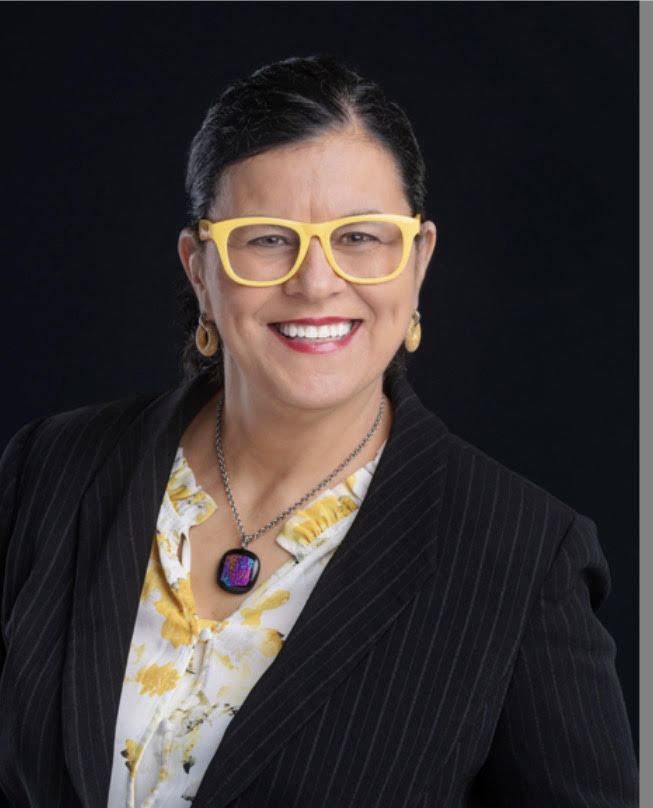
Lori Fischer
Lori Fischer is an Executive Consultant with The Pacific Institute and the founder of Just Imagine...Coaching and Consulting. Her work focuses on leadership development, executive coaching, facilitation, organizational culture, and practical solutions for managing people and projects.
Known for thoughtful preparation, creative problem-solving, and a strong focus on client results, Lori helps leaders translate insight into meaningful action. Her approach combines mindset development with clear communication, trust-building, and practical tools that support stronger relationships, healthier cultures, and sustained performance.
Read the Webinar
Welcome and Why Trust Is a Strategic Asset
Welcome, everybody. We're going to get up and running here. I know we've got folks that are coming in from the waiting room. So as always, if you are the ones that are making your way in, even if you're a little bit late, let's see where you're joining from. So we can see our reach for our session today, but we've got a, a special guest who's going to be hosting today, who I'm going to introduce in just a moment.
But as always, I just want to kick us off and say thank you for being here. We are here on the first Friday of every month for our Beyond Limits executive briefings. And if you've not been here before, welcome, thank you for joining us. And as always, if you've been here before, thank you for coming back. This is our monthly session where we gather leaders like yourselves in a session like this to talk about the things that are going on in the world and how we can connect the dots between what's taking place in your world, in your life, in your business team, organization, and the, the core curriculum that we champion here at The Pacific Institute.
And speaking of championing The Pacific Institute today, we are joined by Lori Fischer, who I will let introduce herself and her long career with The Pacific Institute, but we are in for a treat today. I had the pleasure of meeting Lori A. Little over a year ago, and, uh, I had an absolutely wonderful conversation. We started to work together on a few projects here at The Pacific Institute. She is a expert, facilitator, a wonderful coach, and a downright good human being.
So I'm going to stop sharing my screen, turn it on over to Lori, and I'll be here answering questions in the chat. I'll be the one saying hi to you at the end. But without further ado, Lori, I'm going to turn this on over to you and say thank you right off the bat for hosting. Wonderful. Thank you Kevin for the introduction.
My name's Lori Fischer. I'm with Pacific Institute. Been with The Pacific Institute a long time, uh, over 20 years. I feel like a legacy employee in many respects. Uh, and just for the folks that are on here, I did see some names familiar.
Your names Warren. Hello. Shout out to you. Uh, probably in sunny Florida. Uh, but I came to The Pacific Institute actually as a client.
I was working in telecom in technology days, launching all kinds of guest best practices, leadership sessions, and was intrigued enough to later on, come on full time. So here I am. And today's topic is trust. Uh, an interesting one. And so we're going to talk about strategy and culture as an asset.
And that's, uh, today's Beyond Limits. So buckle up. We've got a lot to cover. We're going to have some great, uh, conversations. We'll do a little bit of a panel discussion with, uh, Richard Resnick, our CEO at The Pacific Institute.
And I believe, if I'm not mistaken, we might also have another special guest, Cheryl Hicks, our Chief uh, consulting officer as well. So we'll see. We'll have, uh, some great discussion for you. And by all means, uh, questions, drop 'em in the chat box, we'll answer them for you. So, looking at the idea around trust and culture and as an asset, here are kind of the objectives.
So you get the lay of the land for the next hour. We want to understand kind of what's been happening historically to get us to, uh, what I'll refer to as a Trust Recession. Um, it's just an awareness piece. And so as you listen today and hear all the different things that I'm going to cover or that our panel will cover, you'll want to kind of figure out like, do I have some blind spots as The Pacific Institute term is scotomas and maybe we need to dig in. And so we'll explore this idea of trust and culture, and what does that mean?
Do we have a strategy around it if we feel it's maybe fractured or broken, uh, on teams or inside of our organization in some way? So the other piece that I find always absolutely valuable is how do we connect this idea of mindset around trust and efficacy? And we'll remind what that efficacy term is for those folks on the call or on the session that maybe have gone through The Pacific Institute curriculum. You're probably going to remember what that is. Uh, and then finally, at the very tail end, after you've heard all of kind of the research and the, the data that wraps around trust as as maybe where are we at?
And so you'll get an opportunity to do an assessment, a diagnostic, if you will, about trust, and where you see the level of trust, whether it's along the dimension of in the culture itself, or maybe it's, um, in a strategic initiative that's, uh, that you might want to pay attention to. So to boil it down, trust it is what matters most. It's foundation. And so there's a, a structure to
Back to top ↑Understanding the Trust Recession
where we go with that. So let's take a peek at this idea of what happens when we look at trust. And I kind of equate it, my metaphor, if you look at my nested system, is this idea of, of a fire, of a flame. And so within every organization, there's a nested system. Well, within any sort of of group that could be community, even you have the individuals that are kind of that hot, hot core, if you will.
And those are all the mes that exist out there. And then we have the groups and the teams. That could be departments that could be divisions, and that's the we in the organization and everything that wraps around what those individuals, what the, what those groups, those teams do. That's the organizational context. And so when we look at trust, it's kind of like, what I like to say is it's a spark.
It's the idea that there are many times that those, those sparks of trust that we have, we're constantly building them up. Now, we don't want them to get so fractured where we get some fear coming into the place and create a forest fire. 'cause we don't want to burn people out, whether that's in the teams, the divisions, or the departments. So looking at that NSTA system, we want to dig into this idea of, well, how did we get and what is a Trust Recession? So before we start, what I'm going to ask you to do is in the chat box right now, I want you personally to drop what you define trust to be.
That could be trust that you see, that you display as a leader and as an executive, um, or even as an individual contributor. Maybe it's your definition of how you see teams building trust. Whatever your definition is, drop that in the chat box right now. My definition of trust is, and I'll be curious to see what kind of pops up in here. Okay, I heard someone say confidence that you'll be supported.
Beautiful walk the talk. Reliability. They're flying in here knowing if when you ask a colleague for help, uh, boy, they're fine. Built with words and actions. Great expectations.
Ooh, transparency. Good one. Yeah. Belief that the team and individuals can meet goals and be supportive. Feeling safe.
Yeah, we're going to talk about that a bit too. So when we start to look at this idea of trust, thank you for the contributions there. They're still flying in, I see is, I want to kind of draw back to three main ones. And and it looks like they're probably all included in there. But this idea that when you look at trust, one of the aspects is, and many of you put that in there, is the belief in the reliability, the integrity and the intent of another person, a group, an organization or institution, can I believe what's coming out?
And we see that many times that we get connected. Um, and we want to do business with others because of some of those shared beliefs. Um, another one that I like to say is this confidence that employees, the customers, the stakeholders, anywhere in there that they place in the leadership or the system that that organization represents. And so many times what we're doing is we're looking at, if I want to do business with you, um, that you act consistently or the, or the teams, um, being treated fairly. And of course internally in an organization is this idea of this alignment.
Do the values that, um, are are being said or espoused? Are they shared? Are they aligned? And of course, the last one is, as many of you had said, someone talked about safety, is this willingness to be vulnerable. Sometimes as leaders, we get into these positions and we forget that while we run the operation, that people are also looking at us behaviorally, not always about our words.
So can we be vulnerable sometimes in situations, um, because people have an expectation that they're not going to be taking advantage. Um, and, and we too, when we're sharing something, we don't want it to kind of come back and bite us in the bone, right? And so this idea of building trust has a lot of layers to it. And in this layer cake of of looking at trust is what happened in the most recent years as to how it might've gotten fractured or broken because there's a real fear that's going on, um, in organizations because of technology. And so how do we alleviate some of that?
And so let's, let's kind of peel back the onion, if you will, and talk about this idea. So I'm just going to give you my kind of layman's definition of, of what is a Trust Recession, because that's one of the questions is it's this wide scale decline in trust of leader systems or of each other. And it has various reasons. It's not to say that we're stuck because we're not. This is just an opportunity from an awareness standpoint that we might have scotomas around sometimes where trust may be broken, fractured.
And why might that be the case? So that's what I wanted to present to you today, is what's going on below the surface.
Back to top ↑The Business Cost of Low Trust
So here's some signs that a Trust Recession could be happening, whether it's in a team, a department, or in the organization as a whole. Leadership gaps, things like inconsistency, incongruency, maybe I'm saying one thing, but behaviorally I'm showing up differently. Maybe I'm over promising, uh, the old favorite word of micromanaging. And of course avoiding words because we know as employees when we're inside of an organization, and, and I know I've experienced it in in past lives, where inside of organizations when, when that overpromising was happening or maybe there was an issue and, and just no one wanted to handle it, our employees know leaders, right? That there are times where there's an issue or situation.
And because we're so busy getting the work done or trying to innovate and gather more business, that sometimes we miss some of those issues. So how do we dig in and how do we really address some of that? So those could be some leadership gaps that could create some of that fracturing of trust and create a Trust Recession. Organizationally, there's other symptoms, and we've probably seen this high turnover. You start to see people leaving.
The new one is kind of this disengagement. Um, uh, the term is, uh, quiet quitting. And while they still may be in the organization, they may be on the job board on LinkedIn or looking for their next opportunity. So paying attention when people go quiet. And I'm going to share a story real quick where we have some asterisks around a lot of this.
Um, of course if there's silos, teams aren't sharing information, all of that is where there's probably some fractured trust and we need to investigate and we need to dig in. And I'll talk about what are some methods that we can do that, um, a little bit later on. But of course, at the, at the end of the day, the question is really, can you as a leader, whether you're at the top seat as as a executive officer or you're a frontline employee, is, is there trust lacking in my sphere of influence? And so to pay attention, what comes back when you ask the question, and it's not about trying to see the problems or challenges that trust is broken, it's to see it from an awareness standpoint and then take action to overcome, um, or do some recovery in some cases. So paying attention to where trust might need to be rebuilt, um, it may not be completely broken, but it may need to be rebuilt.
So with that being said, we want to ensure that we're not missing any gaps, um, that we are actually paying attention to if there's something broken or fractured, what is actually happening. And here's the opportunity is to really understand what's the role of trust when it relates to culture. And you remember my nested system of the me, we and us. We want to pay attention to how is it that we got to this point where people may be, um, less excited some days to come to work. And there's a historical relevance, uh, really in the last five years, and I'll dig into that.
But there's also some data and some research that relates to trust. And in knowing this, again, first level of awareness is then what can we do to take action? And uh, one of the other elements that I pulled out from some resources was this interesting key perspective of the difference that men and women have in both developing trust, but then also maintaining trust over time. So if you have a mixed bag of folks in your organization, it's not all men or it's not all women, it's a, it's a key piece to just pay attention to. So I'll drop a few key nuggets in there.
And again, it's not an all or or nothing. It is an opportunity for us to really see like, how could this be impacting the performance in my team, my department, and my organization? And maybe it's up to me to really understand what's my role in changing that. So historically, let's talk about this. So what has led to a little bit more of this recession and trust multiple pieces.
One of those March 18th, 2020 dates kind of etched in my head. Uh, COVID-19 pandemic was, was announced across the globe. So it's not just individuals, but it rocked everybody's world. Nobody got out of the change in how we did business. And so with that, it was drawing back, separating people out.
Remember our six foot rule. Uh, and in some cases it was distance because, um, quite early on we moved into this remote environment and quite frankly, we're still in it. I happen to come out of telecom and technology. I was doing remote, um, employee practices many years ago, 20 plus years ago of having remote employees. But this just brought it to the forefront where everybody had to deal with that.
It was nothing was normal. And in that there was misinformation, there was confusion. How do we do business? What's allowed, what's not allowed? So there was practices that had to change and innovation by being forced into a different situation.
Back to top ↑Trust, Culture, and Strategic Execution
And so with all of that, sometimes how we did business was feeling a little bit painful. And so we might have had differing beliefs. Now as we've progressed to current times, people have said, Hey, we don't want to just remote. Maybe hybrid is a better practice. And in some cases we may have.
And I've worked with clients, um, and leaders that said, you know what? I want 'em all to be in the office. I'm missing that relational context of being able to see, hear, and understand because that's one of the human being needs that we have is to be seen, to be heard, to be valued. And does my efforts make a difference? And sometimes when we are what I call remote islands out there working remotely, we're not always feeling like we're fully being seen and heard.
You may have slack channels that you're communicating. You may have WebEx sessions that you're performing, but where is it that we might be missing Mark? So historically it's put us into this, this questioning. And of course now technology is ramping up once again. And here we are with, uh, AI integration.
And again, that in and of itself is also having people question, well, is my job going to be relevant tomorrow? Am I going to be walked out to the door? Because now we have this, uh, new technology tool, and for some people it's created fear again. And that's the part where I believe this idea of, if we can start to really recognize having this higher level of awareness where trust might be quietly being fractured, that we can draw people in and start to pay attention to, well, how does this impact our performance? So, so some historical data or, or some studied research data I should say, uh, happened this study, the Gallup study was from December, early December of 2024.
And what it did is it looked at vertical markets, it looked at everything from governmental agencies, uh, big business, small business, uh, entrepreneurs, startups, religious organizations, military organizations. So it ran the gamut. And so one of the things that this study found was, yeah, there is a bit of an erosion of institutional confidence because of some of those historical facts that I just put down, is that, um, trust, according to this study was small business, 68%. So it's a high level, um, military 64, but big business fortune 100 companies, not so much. So one of the things that that told me is where is there gaps?
And we as leaders, as we want to role model, where might I be missing the mark? Sometimes it's not that we don't have a great mission and a great purpose or a great vision, but what it may be is that the breakdown is in how we're communicating what we have going on. So paying attention to that leaders is an important piece, right? And so moving there, another finding that I thought was interesting was this idea around disengagement. I don't think this is necessarily new, it says the 10 year low.
But I think this idea of of being disenfranchised sometimes comes from when we're not paying attention. Because again, being, wanting to be seen, wanting to be heard, our employees sometimes are telling us without actually saying the words. And it's that opportunity that we have. And so we have at The Pacific Institute ways to kind of dig in what's happening in groups. So a a group kind of assessment is available to be able to dig in if you think there's something going on in the organization.
Um, and the opportunity is to get some real facts and data around it. Um, this idea of trust and leadership, a little bit surprising. I thought it might be higher, uh, as far as having trust, but that decline is only 21 to 23%. At least US employees strongly agree. Now, I didn't go down the next level of trust and leadership, but the question I would have is, well, what's behind that?
Why is there only 21 to 23% strongly agree or strongly trust leadership at the highest level? Uh, that for me was like, I could feel that, uh, kind of a heart pain for me is maybe there's some credibility, some clarity, some empathy that I might be missing as a leader. And, and then what does that mean for me? And so there's opportunities to be able to assess that as well. But staggering to me more than those other facts is what is the cost?
And if we don't do anything, if we keep everything the same, what is the cost? And the cost is estimated. And I'm like, okay, 8.8 to $8.9 trillion lost globally due to disengaged and unhappy workers. So leaders, we all need to pay attention and listen, what can I do to maybe alleviate some of those,
Back to top ↑The Five Foundational Drivers of Trust
um, disengaged or unhappy workers? Uh, I can speak to back when I was doing my work as a remote employee, uh, leader manager, is that I would have my weekly Monday check-ins. It wasn't long, it was maybe 30 minutes, but it wasn't about work. It was really genuinely about how are you doing? How's it going, what can I help you with?
Is there anything personally that's getting in the way of you being able to do work? And it's something that I can address. And so finding ways to be able to re-engage employees. I say if they're quiet, that doesn't always mean what's the adage? Uh, no news, good news or some version of that.
Um, quietness doesn't always mean good things are happening. So how do we reengage? How do we reconnect? And sometimes that means we gather the team and we start to have those conversations. What is our strategy around building trust?
Um, there's a whole activity that I can help, uh, teams do and leaders work on. And, and it goes through a series of questions, um, and broad level questions about asking, do we have a strategy around if we don't feel that trust is optimized or at its best, what is it that we collectively want to create as a norm in our, our team or organization? So how do we get past disengaged or unhappy, uh, workers? It's let's draw 'em in. Let's find a way to have, uh, better conversations around that.
Now here's the interesting slide I feel is this, this, this perspectives of men to women. Now this was across multiple resources, um, sources I should say that categorize this. 'cause I asked my friendly AI assistant to help me, like, can we get a top five for this? And this is a bit of the, um, kind of a amalgamation, if you will, of what it brought back. And it was across five main categories, communication approach to power and influence, focused on risk and vulnerability, what that looked like, like between, uh, the genders conflict and feedback, what's similar, what's different?
And then how is trust built and maintained over time. So as you can see in the chart, top portion being women, bottom portion being men, and they are kind of synced up. So communication women tend to focus more on focus, uh, the collaborative and come from more empathetic just by nature, uh, and focus more on the relationship. Whereas men tend to be a little bit more ta. Again, this isn't an all or nothing but more directive and task focus.
What's the result that we're trying to get? And what I found interesting when it popped it up is the we language versus the I language. And we want to figure out, as I say, we, I just started to become more aware of even saying it, but it's this notion of how do we create inclusivity? And if there's this tendency, and I think it's just because in business over time, we have focused on what's the KPI or what's the OKR and, and the statistics of doing business, which are important, but at the same time, how do we maintain focusing on the relational aspects of what goes on? Because we also want to do business with people we know, like, and trust.
And so this idea is trust is inherently built in. If I know a bit about you, I'll also be willing to risk or be more innovative and be more creative. And that's the thing that we want to share with our employees is how do we draw them in. So we might want to be considering, because I know just through my own personal experience, but also the work that I get to do with The Pacific Institute is communication is a top one or top two issue in every organization, team or de department. And so when we look at that, how do we approach communication better?
Whoops. Sorry, I just completely knocked my laptop off. Uh, secondly, approach to power and influence is, um, looking at for women, really taking that relationship capital and using it and leveraging it. I know I get into a lot of networking events here locally in Huntsville. And the thing that comes from that is first building on the relationship and figuring out, okay, so what is that you do?
How can we make connections? And I believe I'm a a pretty good connector. And so paying attention to how this may change when we have a potential for, for trust to be fractured. Now, I'm not going to go through all of this, but I do want to hit on the very last bullet point there. And that's that maintenance over time.
Again, women tend to want to be able to nurture the relationships and have that psychological safety. And I saw that show up in the chat box there about safety. 'cause that's building in trust is that paying attention to, we want to address that as well as the earning it through performance and expectations. It's not just about the share and care, it's also about getting the work done. So the long story short on this is
Back to top ↑Credibility, Reliability, and Consistency
how do we strike the balance between the two? Because it will be something that will be important for us to pay attention to, um, if we feel that there's something happening and maybe we're sliding into a bit of a Trust Recession with our, our teams or our organization. Alright, carrying forward, let's start with 'cause we're going to get ready to go into a, uh, a kind of a panel conversation is, I wanted to put some key terms in there. And this, what I found fascinating, Kevin and I were talking about this yesterday, uh, is culture, as we talk about at The Pacific Institute, is how people think and behave and especially when no one is watching. It's that quiet behavior that exists out there.
But trust is that invisible scaffolding. It's what holds it all together. And so if we have some fractured, uh, trust happening in teams or in departments or organizations where people are maybe siloing out and stopping the communication, we want to pay attention. And how do we bring that together? Um, I would expect that most organizations are moving in to finding ways to build a strategy.
Uh, because communication and being able to carry out what we say, kind of do what you say and have an expectation that we're going to meet up with our performance markers, it will be important. But in the middle of that is if there's any individual and the smaller your organization is, to me, the more microscope that you can see it. And so it really gets highlighted if there is opportunity to really connect the dots. So we at The Pacific Institute really do believe in how do we shift mindsets? And so I want to kind of drive into a conversation around this idea of trust and efficacy For anybody that's gone through The Pacific Institute, material efficacy is a foundational element.
Uh, self-efficacy is what the individual has. And when we look at it organizationally, that's called collective efficacy. And so paying attention to how do we help support not just the individuals, but also the teams in the organization as it builds up. So I'm going to draw back to that nested system and this idea of, again, trust being earned and sparks like through honesty, through ethics, through integrity, through consistency, through this idea of being empathetic to your situation, whatever that may be. Transparency, trust is what kind of sparks the fire within the organization.
And so when we look at how does this play out in the nested system, it starts with the thinking and beliefs or the mindset of all the individuals. And that collectively, when we bring it together is how we create norms and behaviors and values. So we want to have it build the fire and not burn it out like a forest fire. And so I'm going to share something real quick. A story of kind of my early on career, um, in my telco days and when I was working with teams, we had unfortunately a situation where we had to do a reduction in force activity, not once, but twice during my tenure.
And in doing that, it was interesting because the first time we did not get it right. Like we had a situation where we had to right size the organization and there was a mess up, and we were going to let 1% of, uh, the teams have to go because we needed to financially kind of stabilize before we had, uh, a merger happen or the potential for a merger to happen. And so in doing that, it was a Thursday afternoon, uh, we had it set up. We had our VP ready to go, we had HR ready to go, and because they had remote employees, we had people in different spots. And the message unfortunately went out instead of 8:00 AM the next morning.
It went out at 8:00 PM that evening. And I had members of my team call me like, Lori, what the heck is going on? And I'm like, oh my gosh. And you know, we were, uh, part of our organization's values was to care and concern and, and it was like we had it in our mind locked in, but we had to kind of fess it and fix it in that moment. And unfortunately, we had to kind of fast track the process and recovery, recovery, recovery, right?
It's never a fun place to have to do reduction in force activities. Um, but in that case, it made it even worse. And so lesson learned a few years later, we ended up going through the same process. And we, one of the things, and the reason I'm telling this story is sometimes clarity in sharing information, because it felt like a surprise for people the first time. The second time we got better at recognizing and understanding if we can share information, even if it's, there's no updates.
We do know things are happening. We want to be able to honor everybody's position. Um, and as forthright as we could in transparency,
Back to top ↑Openness, Care, and Psychological Safety
we wanted to honor that. And so we learned to share more, um, quickly and also better with our timeframes so that people had a bit of an expectation and they could level set their mindset and make choices. And that became, to me, something that I've carried forward in all the work that I do and why it matters so much, um, that we pay attention, that those small things can really add up. And where I can be honest and where I can have transparency, I want to be able to do that. And when times change, sometimes we have to go through that process.
So let's kind of shift a bit to dig deeper into this, to figure out, well, how does this trust create an asset? How does this trust maybe equate to a strategy? And what could that potentially look like? So I want to invite in, uh, Richard, our CEO of The Pacific Institute, um, into a discussion. And of course we want to build on that foundation of efficacy, the causative power, this ability to bring it out or to make happen.
And it may have felt a little doomy and gloomy as I've been talking about this idea of trust in a recession. But I'm going to shift the gears to move it towards what's the positive aspect, because there's a lot in there that can happen. And so Richard, um, and Cheryl, I don't know if I saw her on the call, Cheryl was not able to make it, but she and I spoke yesterday, so I will be doing my best Cheryl impression Today. Okay. I want to hear that high voice too, Kevin, Challenge accepted.
No, I'm just, I'm teasing. But thank you for stepping in as well, Kevin. And so here's, here's the questions, Richard and, uh, Cheryl, AKA Kevin, uh, let's talk about implications, this idea around mindset, because we at The Pacific Institute obviously do a lot of work of helping people to master the mindset and advance. How do you see mindset affecting trust and therefore efficacy like we talked about Richard? Sure.
Well first of all, Lori, thank you very much for this presentation. It's been very interesting to me. It's caused me to reflect a lot on my career, um, mindset. What is a mindset, right? Yeah.
It's sort of, it's a position that one takes in relation to their environment. Um, it's kind of just like a set of beliefs, right? People with positive mindsets tend to have higher levels of self-efficacy. They tend to believe that if somebody else can do something that they can do. Um, so if you have a mindset that basically says, the people around me are out to get me, that's one way of thinking.
And another way in a po an opposite way might be the people around me are reliable and have good intentions. So just take those two opposite extremes. And now imagine you feel the negative way at work. Do you trust anybody? How does that cause you to be?
Mm-hmm. Right? When you've got a negative mindset and you believe that the people around you are at worst out to get you, and at best, not reliable, maybe don't have good intentions, then when you need help, who do you ask? Nobody. Nobody.
When there's an opportunity for you to grow, is it something that you feel safe doing? No way when you're struggling, when somebody else has a problem, are you going to go help 'em? So now imagine an organization, a culture, if you will, that has all of these beautiful humans interacting and nobody's willing to help each other because they believe in the lack of reliability, the lack of good intentions of their fellow humans. Hmm, right? Have a different mindset that says these everyone here, including this guy who drives me crazy Because You're always going to have one.
Um, they're all acting with the positive intention. And I know that even that guy is reliable in his job. Well then you're going to ask even that guy when you need the kind of help that that guy can deliver. And so your mindset, what you choose to say to yourself about that the vast majority of the humans with whom I work are highly reliable with good intention. You will notice that that is true.
If instead what you say to yourself is the vast majority of the humans with whom I work are negative, they're not reliable. You'll watch how that changes your behavior, right? Mm-hmm. It's all really about how you talk to yourself. Yeah.
That internal dialogue that's going on. Yeah. I love it, Richard. Thank you. Just To piggyback on that, uh, you know, Richard was talking about mindset, creating the self-talk, and that's exactly where I was going to go, is
Back to top ↑Mindset, Belief, and Self-Efficacy
that the self-talk that guides our behaviors and our actions mm-hmm. It starts from that mindset. So we believe in a lot of loops at The Pacific Institute and behavior happening in loops following our mindset, following our behavior, and then taking inventory. So mm-hmm. So mindset is what shapes trust.
And if you choose to take the negative belief that Richard shared, then that's going to shape a totally different outcome in the future. If I told you to go into your kitchen at home and tell me all the problems you have with your kitchen, you would point out a lot of things wrong versus if you said, tell me all the things that are right with your kitchen and why it works well for feeding you and your family. And a culture can work the exact same way. And trust can work the same way. So when there's trust, collaboration accelerates that mindset increases the efficacy, that'll strengthen the trust.
And now we're in that type of a loop. And that's a culture that is constantly reinforcing that positive mindset, the self-talk that goes along with that. And another way that we describe self-talk is it's, or, uh, culture is it's the collective self-talk of your organization. Mm-hmm. So when that message is all pointed in the same direction, and it's that we trust, we believe that the, the best intentions are had, not that Richard and company are out to get me, we have a totally different loop that we can operate in.
And that's a, that's a merry-go-round. I like to spend time on. Mm-hmm. Right. Thank you Kevin.
Yeah. And, and so that, that idea of how do we move with, with the organization through the kinds of things that we think about, what are we focused on? What's our attention going? And so, you know, kind of that individual group, group implication, let's go to that biggest us, the culture that wraps the mindset, that wraps the values. Hopefully they're all shared values.
Um, how do you see trust as a culture asset? It's, it's an interesting dynamic that it's almost like a currency. Hmm. That's exactly, that's exactly how I was going to describe that as I interrupt Richard. Um, I think trust is cultural capital and the organizations that build the most of it, they can spend an awful lot of that capital to get results from the individuals within the organization.
Another way of saying that is, it's more like a multiplier because those dollars spend real, well, that's one of the most valuable currencies any organization has is that cultural capital AKA trust. Mm-hmm. Thank you Kevin. Richard, any additional thoughts? Tons.
Um, but maybe Three or four. I like to Approach, I like to approach concepts like this by starting with the opposite, right? Because it's sometimes hard, you know, in front of a bunch of people to talk about how good it is to have a trusting environment. But let's think first about how bad it is to have an environment where people don't trust each other. So here's a great example.
In p previous lives, I've done a lot of work in mergers and acquisitions, buying companies Yeah. Or being sold to somebody else. And, um, so you're a company and you might trust your humans and you hopefully trust your leaders and all of a sudden there's an announcement that you are being purchased by some other company. Do you trust this other company? Yeah.
No, you don't. In fact, what you're thinking about are things like, uh, I'm going to get fired now, aren't I? I I'm sure that there's probably overlap and this is terrible and I didn't see this coming and my, my own leaders didn't warn me about this. And now I better go look for a job. I don't trust my own team anymore.
Yeah. So one of the things that you do when you're acquiring companies is you spend at least half of your mental cycles and emotional cycles mm-hmm. On how is it that we're going to build trust in the folks that are coming into our organization, despite the fact that yeah, usually mergers and acquisitions are done partially to reduce workforces. Yeah. And some of the people that I'm trying to build trust with are not going to be here.
So how do you do that? Well, how do you make trust a cultural asset? Right? If you don't do it, if you fail there, it's a cultural deficit. You're never really going to merge the teams.
There's always going to be an us versus them. You're not going to realize your wildest dreams about why it was that you went about making this thing happen in the first place. So there's a bunch of ways that you can do it. I won't get into, but that's the way that I think of it as a cultural asset. When I think about two cultures coming together that are both high trust and then something happens, they come together because some leaders force it upon them.
Some people get let go. And now what's trust look like? It's clearly no longer an asset unless you work hard to build it back. Right? Richard?
You know, it also, it also, one quick thing, Richard. It doesn't even necessarily have to be two companies coming together. It happens. I've seen with a sales background,
Back to top ↑Assessing Trust Across a Team or Organization
I've seen it happen tons of times within an organization. If you've worked in sales, I'm going to say some words that you are probably afraid of, but the comp plan is changing. And when you're with an organization where that comp plan changes, what feels like seasonally, there's very little trust in the organization behind that. And the actions become very, very apprehensive. And there's a ton of wasted fuel on folks just idling because they're afraid to move towards any target.
'cause in their minds, it's just going to change again next year. And change is the constant, right? We know that's the one thing that will always be happening is something will be different. So whether it's in the team, the department, the organization, there's a change. And so how do we create that currency?
So thinking about it as a strategy, did you know this idea around having a trust strategy? 'cause now if we think about it as a currency or asset, what are we doing to kind of bake it into the way that we do business and build organizations or teams or individual success? Any thoughts around, or stories about like a good best practice to have trust as a strategy? Richard, I see your head nodding. You want to go for it?
Oh, sure. I had, I was running a company a while back that had a team of people, a leader leadership team, that as I grew it, there were members of the team that simply didn't trust each other. They came from different walks of life. They were gendered differently, they had different systems of belief, different colors of their skin. Um, and guess what was happening?
We were failing. We were not delivering the results. Is anyone surprised why I harken back to that 8.8 or $8.9 trillion number? Yeah. That, you know, So sorry about my thumbs up.
My, um, zoom is very sensitive to body. Uh, You've got it with body language now, huh? That's right. Um, so my gosh, we were dying. And here's the reason why.
Eight or $9 trillion is what this really costs. Think of how much money every single person on the leadership team costs hundreds of thousands of dollars a year fully loaded, right? And each of them has a whole department of people underneath them. How much does that cost? Millions of dollars per department fully loaded.
And if you got just two people on that leadership team that just don't trust each other, then when they need help, they're definitely not getting it from those other folks. They're probably going back and they're sewing distrust. Just don't work with the customer support guys. They don't know how to deal with our customers the way the sales team does. It's that kind of stuff, right?
And so what does that do? That causes, first of all, you're just wasting money on salary, but that's not the end of the cost. You're definitely wasting money on salary. And it's like, could be meaningful. Think about how much of your time in a low trust environment you spend being hostile.
It could be 10, 20, 30, 50% of your time and all the humans who work below you. So there's a massive salary waste. But then also there's all the stuff that you're not able to get done because you're not working together as a team. It's so much more expensive than making the next hire or paying out bonuses. It is so much more expensive, but it's kind of built in, right?
So here's how you turn it into a strategy. How you turn trust into a strategy. You take your leadership team off site and you make it clear to them, here's how we're doing against our results. C, c minus on this f on this c on this. Does anybody disagree?
And everyone will say no, that's pretty much true. And if somebody does disagree, you make 'em defend it. And now we're fighting, right? What you then have to do is you have to ask them quietly, individually, rate on a scale of one to five. Do team members admit their mistakes?
They write it down. Do team members acknowledge their weaknesses to one another? Do team members apologize to each other willingly? Do they tap into each other's skills and expertise? Are they unguarded and genuine with each other?
And you're going to see the scores are all, if it's on a one to five scale, the scores are all terrible. Without trust, a leadership team can't debate in a healthy way, they simply can't. And how do we get the best ideas? They don't just come out of one brilliant person. They are refined and honed by a high trust team that's working on it.
So that's the way that you make trust a strategy. You get your team to sit around a table having already scored what they think the trust levels are, and you get to the bottom of it. Now, how do you build trust when two people don't like each other? Well, you gotta start by creating vulnerable, safe places. The way that I used to do it is, um, sort of like three questions maybe.
Uh, question one. Um, where'd you grow up?
Back to top ↑Differences in How Trust Is Built and Maintained
Question two. Uh, how many siblings do you have? Two easy questions. Question three, what was the most difficult or important challenge of your childhood? And then you model that.
Maybe you go first and mm-hmm. Go hard. Go hard at it. Be as honest as you can be because it's okay. It's not your fault.
Yeah. And then that goes around the room. And by the end of that first session, you will have begun to create the foundation of trust. I think it's so important to do with every team. And whenever I'm on a low trust team, I feel really nervous, don't like it.
There want to run. Yeah, that speaks to that. We want to be around people that we know, like, and trust. And so we've got to find a way to dig below the surface. I love that Richard though.
And, and asking those questions that are more personalized, at least opens the book. We don't have to be this fully open book, but enough to be able to share that. Um, in some cases it's me too or it's, oh, interesting. I can relate to that because of some, you know, previous experience. Um, thank you for that, Richard.
That's some, some good insight and, and we will have an assessment to be able to kind of leverage this strategy of trust. But before we get there, Kevin, any final thoughts from you as we kind of move along? 'cause I know we have limited time. No, there's no reason to put an air horn at the end of that symphony. That was a very good answer.
Beautiful. Thank you. Thank you both for participating in the discussion and sharing some additional insights. So as we kind of carry forward towards the end of our time, which is limited, is talking about this idea of assessing. So I've got an opportunity, Richard kind of brought it up, but we actually have a, um, assessment that I want to offer you a real quick assessment, 14 questions, kind of establishing what your current reality is.
Richard didn't even know, I'll, I'll pay you later, Richard, for the segue. Uh, but people were asking also about, um, how do you make transitions, especially when times are feeling fractured. So one is creating a level of awareness, um, but also, you know, how are we really addressing values? And so one of the things about this quick assessment and, and Kevin, did you get it dropped into the chat box? Okay, thank you.
I had it queued, but you're faster than me on the draw. Quick, quick shooter, Kevin, there, pew, pew, uh, is how do we, how do we get this assessment? And so what that link will do is it'll take you to a one pager. Uh, it's electronic document that you can fill in 14 questions, um, asking around two dimensions or domains. One of them being more focused on strategy, the other being focused more on culture as it relates to trust.
And so if you wouldn't mind taking the time, uh, Kevin probably has some lovely q music, he's my DJ for the day. Uh, to give you some time to basically look at and measure, is trust strong or is it eroding across one or both of those dimensions? So one to five is the scale, one is, uh, strongly disagree, and five is strongly agree. So you can just quickly punch in your numbers and it should be tallying you as you're moving through that assessment. And we'll take a couple of minutes at the end to kind of have a, a quick discussion about what might have come up.
So for those that were able to complete it, what was the surprise or what was a concern? Um, you can either come off mute or you can drop it in the chat as you were seeing the scoring, uh, for the assessment. For any brave soul that wants to bear their soul to us around their trust score, that's a loaded, uh, I guess question. Potentially. I feel like maybe I'm a safe person to share that with strategic conversation.
Rosie, anything that, uh, you want to hype in about that? And thank you for responding. Marked one low lolly. It looks like you have a, a score in the, the 50. So fairly healthy in there as it relates to the score.
Um, it's interesting of where you might have seen a higher score. Was it across the strategy side or was it across the culture side? Oh, Kevin asked the question. Thanks Kevin. Great minds, I guess, culture.
Okay. And some of you may still be trying to get in and, and put the scores in.
Back to top ↑Practical Actions to Rebuild Trust
Certainly this is an opportunity for you to take this and work this with, uh, your team fellow leaders. Um, it is an opportunity if you catch this and maybe you didn't hear the whole conversation, catch it on a replay, which we will be sharing these on The Pacific Institute website page, is take some time to really dig in. If you didn't get, and you're maybe your mind's not fully into this, take some time. But I think even more important is the, the questions that are in the lower corner after you've gone through the assessment. And that is one, uh, where is trust showing up strong?
Is it stronger in strategy or is it stronger in the cultural aspect? Which one's lower? Um, is there a reason that you could think of that may come to mind that may pop in and investigate where if it is a lower score, what do I need to do or what do I want to do to draw that so that I can feel like trust is a strategy that's healthy and it's creating this culture dynamic that we can use it, um, as we talked about as an asset. And the opportunity really does come when we can find ways to grow it from wherever it is to that steady state of health. And so lot of opportunity in there.
And I know I only have limited time, so I want to catch you with a few practical tips and steps before you walk away. So individual tactical level, here's some things that can be solutions. Um, find ways to do some trust building rituals. One of them could be that we figure out how do we create group norms. Uh, a lot of times we need to kind of come back anytime you have a new player on the team.
It's like any athletics. It kind of changes the dynamic in the team. So we want to go back and revisit those, uh, group norms, team norms, um, finding ways to have honest conversations if things aren't as expected, if there's fractured or somehow broken trust that you feel or see. And especially, uh, when we sit a little bit higher in the organization, we can see where there's some problems happening in an organization. We might want to do, as Richard said, get to an offsite, find a way to create some, um, executive or team leadership alignment.
Uh, leverage those peer uh, conversations. Is there things that we can do to create self-directed teams? We need to start with some clear expectations. Leadership shifts on a personal level, uh, getting in there and monitoring vulnerability. I do.
You do, we do. Uh, so we want to be able to set up some expectations and really once we set those up, 'cause one of the things, it almost comes up inevitably in every leadership, um, coaching session that I have where there's frustration where maybe there's a feeling of a lack of, of, of, of awareness potentially, which could create fracture trust is that I come from a set of expectations and I'm judging your performance based on those expectations, but I've never articulated those expectations. So going back and finding ways to check for understanding and really recognizing, um, that at times people want things from us and want to be seen. And so checking in if I'm honoring that the way that you want it to be. And then organizationally, there's things like values in action.
It's one thing to have the great mission statement posted in the front office or on our headers that scroll on our websites, but it's what are we doing to actually represent those values? And of course, with the values come, have we done a good job of defining what the behaviors are? And there's a process that we do here at The Pacific Institute called Cultural and Consensus building, but that's taking it down all the way to the frontline levels. So whether you're a small organization or large organization, it's have we done that job of actually defining what do we mean when we say honesty or integrity or, or trust even? How have we defined that?
So the opportunity there is to create some feedback loops. And of course, coach based on that. By the way, when you do the values in action, how do we create inclusive decisions? Get people involved from the front line. If we're trying to create some values in action, what is it we can do?
If we are looking to get innovative, how are we bringing in and creating this safe space for people to be able to share? And as we think about those practical steps, there's kind of some basis of, once we have an awareness, how do we move that into action? And of course, five builders of trust, credibility. And the question that kind of is behind that is, do your actions and words align? Um, and of course that's important because integrity builds kind of this invisible trust reserves that if I can know and trust that what we're saying is aligned, I will have more opportunities to be able to, um,
Back to top ↑Commitment, Reflection, and Closing Remarks
have confidence in the kind of work that's getting completed. Transparency and vulnerability is another builder. The question behind that is, are you hiding or revealing? Um, why would that matter? Well, because in hard times people will be looking for, um, signals of reliability and that is where trust gets built.
And so what can I do if I, I mean, I'm in, I'm in Huntsville, Alabama, biggest governments, uh, employee to city, I believe, uh, there's a lot of 'em, a lot of engineers. And so with government, sometimes if they talk about reduction in force or a stoppage of work, it's, is it a surprise for people? And we don't want the surprises. 'cause as human beings, when we're in the place of work, we want to have something that feels like we have a safe floor. And so how can we be more forthcoming or forthright?
So reveal consistency, uh, question behind that is do people know what to expect from you? Again, what I was just mentioning previously is sometimes I have the expectation in my head, but I haven't articulated it out to the people. And then of course, empathy, the question behind that is, do people feel seen and heard? And it is not about perfection. Um, and having people like set up that I know what you're doing and then I know what they're doing, but how do we include them?
And sometimes that means that we've got to kind of switch our places around and say, okay, if I were in their shoes, what is it that they may be needing from me to hear or see in my behavior? And, and taking it to that level of, of empathy. And the last of course is accountability. Do you own your mistakes and follow through? Sometimes we have to go to that t and fix it moments, um, because people want to know what version of of me as a leader is showing up, or me as an employee is showing up.
And if I don't own my mistakes, because guess what, we're all human and we all make them. It's how do we actually own them and follow through when we want to make the change. So trust gets built with all of these. These aren't the be all end-all, but these are very important key markers for building trust. And of course for you as we look at wrapping up our session, um, is call to action in trust.
We want to figure out what matters most and there's different aspects. So you have the assessment tool, leverage that, use it with your team. It's pretty quick to deploy. And really then take the moments to answer the questions, the reflection questions. And the challenge is what is OneTrust building action that you can take this next week?
You've heard a lot of conversations, some insights from Richard, some insights from Kevin. What is it that you're going to take away and maybe deploy as a strategy so that you can leverage that culture asset. Because final thought building trust isn't soft. It really is a strategic imperative and you can leverage that as your culture asset. I believe it.
Um, I've seen it. And we just want to become more aware so we can take that action. So I want to thank you all for your time today. I know that was a bit fast paced, but if you're excited and interested in learning more, always there's opportunities. The QR code sets you up for our events pages.
Lori, thank you. That was outstanding. My pen has run out of ink with all the notes that I You're welcome. Thank you so much everybody for being here. And Lori, thank you again.
That was absolutely outstanding. Absolutely my pleasure. Take care guys. Thank you.
Back to top ↑