
Your Life Can Change in a Second
March 7, 2025
Life can change without warning, and leadership is often revealed in the response that follows. In this Beyond Limits Executive Briefing, Christian Arteaga shares how a catastrophic diving accident reshaped his identity, priorities, and sense of purpose—and how gratitude, adaptability, and resilience helped him build a meaningful path forward.
Adaptability, Gratitude, and Leadership in Times of Adversity
This session tells a deeply personal story of sudden adversity and deliberate response. Christian Arteaga reflects on his experience as a young Air Force officer, the accident that left him quadriplegic, and the emotional and practical realities of rebuilding his life.
The briefing connects Christian’s journey to leadership, values, empathy, and sustainable performance. His experience demonstrates how gratitude can coexist with difficulty, how adaptability becomes a daily practice, and how setbacks can become a source of growth, connection, and purpose.
What You Will Take Away
Lead With Gratitude
Use gratitude to widen perspective, strengthen resilience, and remain connected to what is still possible.
Adapt When the Plan Changes
Recognize that flexibility and identity can be rebuilt even when the original future is no longer available.
Align Values With Action
Let core values guide decisions and behavior when circumstances become uncertain.
Turn Adversity Into Growth
Use challenge as an opportunity to deepen empathy, purpose, and leadership capacity.
Your Life Can Change in a Second
Use the controls in the player to enable captions, adjust playback, or enter full-screen mode.
Tip: Select the full-screen icon in the lower-right corner of the player for the best viewing experience.
Gratitude, Resilience, and Adversity
These answers summarize the central ideas presented in the briefing.
What does Christian Arteaga’s story teach about resilience?
His story shows that resilience is not the absence of pain or difficulty. It is the repeated choice to adapt, seek support, and continue building meaning after life changes unexpectedly.
How can gratitude help during adversity?
Gratitude does not deny hardship. It helps people notice what remains available, including relationships, opportunities, strengths, and reasons to continue moving forward.
Why is adaptability important in leadership?
Adaptability helps leaders respond when the original plan no longer fits reality. It allows them to revise goals, learn new approaches, and remain effective without becoming trapped by what was expected.
How do core values support difficult decisions?
Core values provide a stable reference point when circumstances are uncertain. They help clarify which choices are consistent with the person or leader someone wants to become.
What role does empathy play in Christian’s message?
Adversity can deepen awareness of the challenges other people carry. That perspective can help leaders listen more carefully, judge less quickly, and respond with greater humanity.
Can setbacks become opportunities for growth?
Setbacks can reveal strengths, relationships, priorities, and possibilities that were previously unseen. Growth depends on how the experience is interpreted and what actions follow.
What practical lesson can leaders apply immediately?
Identify one current challenge, name what cannot be controlled, and choose one value-based action that can still be taken today.
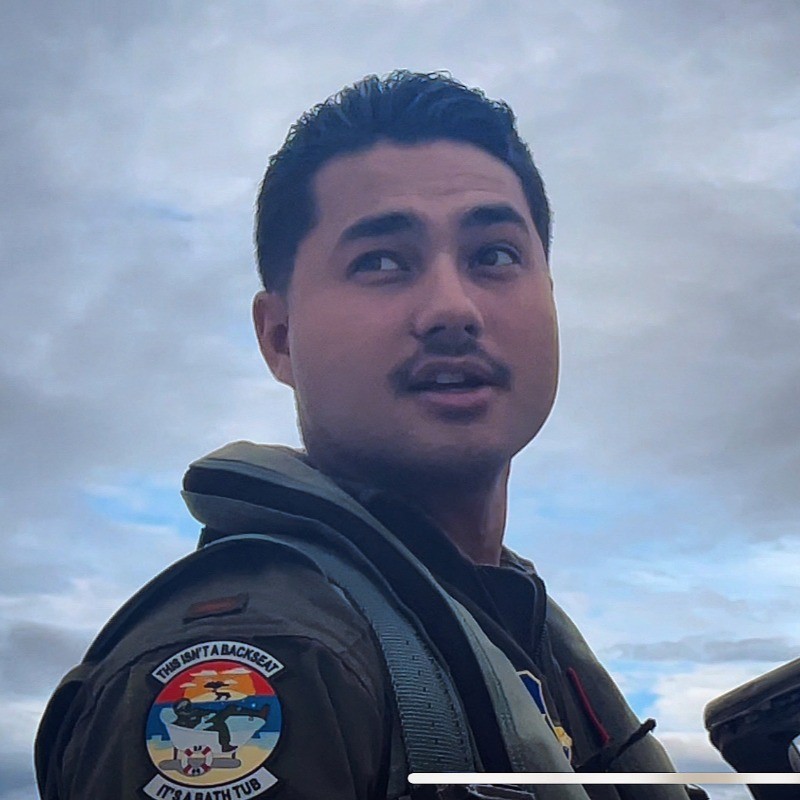
Christian Arteaga
Christian Arteaga is a California native who served as a 2nd Lieutenant in the U.S. Air Force and trained as a Combat Systems Officer. His life changed dramatically after a catastrophic diving accident left him quadriplegic.
Rather than allowing the accident to define the limits of his future, Christian chose to build a new path grounded in gratitude, resilience, adaptability, and purpose. Today, he shares his story to help others navigate adversity, lead with empathy, and recognize that the response to an unexpected challenge can shape who we become.
Read the Webinar
Welcome and the Moment Everything Changed
Well, without further ado, we're going to go ahead and get started with our Beyond Limitss here. It's Friday, March the seventh. It's just a couple minutes after the top of the hour. And we are getting ready to get started off with a very special session of our Beyond Limitss with a guest host if you have not been to a Beyond Limitss before. First and foremost, let me introduce myself.
My name is Kevin Spent, I am the Chief Growth Officer here at The Pacific Institute. And what we do is an executive briefing like this on the first Friday of every month. This session is designed for us to get leaders like yourselves. There's going to be north of a hundred individuals here today together to get business leaders, owners, executives, in a space where the, we can share insights from our core curriculum, from things that are going on, uh, with the work that we do. And we want to relate those to the current events that are going on in your world so that you can tie those to the contemporary challenges, to the things that are salient for you.
It is an opportunity to network with the many, many folks that are here and for us to promote some of the new programs and opportunities that we have, as well as engage with some of you that are our existing clients. Speaking of which, if you are an existing client, if you've been here before, thank you for coming back. And if this is your first time, welcome. We hope that you continue to join us on the first Friday of every month. If you're not familiar with The Pacific Institute, we are a 53-year-old organization that is fundamentally based on human development and maximizing human potential.
That is a little different than what most consulting companies do. Most change companies out there either try to elevate egos or strive to change the actions of a group. At The Pacific Institute, we focus on transforming individuals beliefs. We focus on the core of how we respond and react to our surroundings. And from there, we believe that that goodness radiates outwards from one to one to one to the world.
So not like shouting into a microphone or megaphone and hoping that it reaches everybody, but hoping that we can touch individuals one by one, by one, to collectively impact the entire culture. But that does start with a belief on the individual. And we have a very special individual that's going to be presenting for us here in just a little bit. But our founder, Lou Tice, 53 years ago, said, all meaningful and lasting changed, starts on the inside, and it works its way out. And once you've been able to fill your own cup, you're able to start filling that of others.
We move from the me to the we, and that's transforming ourselves. We can positively impact the people that are around us. And if we're fortunate enough to be able to have that impact from ourselves to our families or our small teams, then we can move out to the greater, and that's typically the organization of the community. 'cause once our team is transformed, then we can all collectively pursue those goals. So as we move forward, again, I'm going to introduce our, uh, presenter here, our guest presenter, Christian, in just a moment.
I'm excited to present what he's going to be talking about. He's going to be walking us through his life and some of the adversity that he's overcome, and how he's managed to work through everything from his childhood to a tragic accident to to where he is. Today. We're going to learn about his past, his present, his future, and some of the constant themes that are going to be there is a theme of constant change, radical acceptance. And what Christian's going to describe is his three pillars, adaptation, gratitude, and community.
And now I get to introduce somebody that I'm proud to call. My friend is going to be telling his story for all of us. I have had the good fortune of getting to know Christian over the last couple of months, and I don't want to oversell, but I am going to tell you to strap in. Uh, Christian's going to tell you his story about gratitude and overcoming adversity starting from square one. So, uh, without further ado, I'm going to take a back seat, move over to playing tech support and introduce Christian who's going to be telling us a little bit of his story.
And then at the end of the day, Richard, our CEO is going to do just a few questions. So if anybody does have questions for Christian, put those in the chat. We'll do our best to forward those along the way. So if you have questions, put 'em in the chat, we'll monitor those. But without further ado, introducing Christian.
The floor is yours, my friend. Thank you so much, Kevin. Uh, good morning everybody. Uh, my name is Christian tga. Um, I want to thank you so much
Back to top ↑The Accident and the Immediate Aftermath
for taking time out of your day for, uh, listening to my story. It's, this story is all about how adaptability, gratitude, and community, um, have helped me, uh, overcome a catastrophic change that I've underwent, um, not too long ago, uh, actually more like a year and a half ago. And, um, how these pillars have helped me, uh, redefine my purpose. Um, so that's right. Taking you back to square one.
I was born in 1997, uh, long Beach, California. And from the beginning, I learned that change would be an inevitable constant, uh, of my life. And by the time I learned how to walk, my parents were divorced. Uh, my dad was an alcoholic and a drug addict. Uh, he was constantly in and out of my life.
Uh, he was cycling through being a part of the family, taking us to school. Um, and then he would relapse. Uh, he would get kicked out. Uh, he'd be living on the streets, sometimes jail. And then he would go to rehab, get sober, get clean, uh, go through withdrawals, and then, um, and then, and then come back home and just repeat that cycle.
And so immediately, uh, I knew that just there would just be this constant, um, change and, and, and flow of just emotions that I would have to deal with. Uh, I watched my single mother of two, me and my sister. I watched her adapt, uh, as I sat with her in welfare offices, as I sat with her in her college classes. Um, 'cause she had me at, at 18. And so, uh, she was going to school to become a teacher.
And I would, uh, sit here with her. And by watching her, I learned how to adapt as well. Um, this young gladd you see here on this slide that's, uh, a headshot that I, uh, had taken of me at a young age. My grandmother, uh, she was so big in acting. Um, so she put me in acting as well.
And I would go on auditions with her, um, and go to acting school where I learned how to, uh, put on masks and change character on the spot. And I think that this had a big role in, in just helping, um, me cope with a lot of emotions and just become a, a real chameleon throughout my life of just to, to adapt to any environment that I was put in. Um, and that was my life. I was constantly on the move. I was constantly changing apartments, changing schools, uh, even by the time, uh, my sophomore year in high school, my mother, uh, was transferred to Catalina Islands and, uh, to teach special ed.
So, Catalina Islands. Yes. I went to high school here. Yes, there is a, uh, a whole community there. It's a square mile, uh, uh, a mile radius town.
And I immediately learned, uh, about all about the island culture. It was all about, uh, living free, living independent, and taking risks. I was jumping off cliffs. I was doing donuts and golf carts. Uh, everyone drives golf carts there.
Uh, I would, uh, learn to skate, and I would take my, we would take skateboards and run 'em downhill, 20 to 35 miles an hour. Uh, we had speedometer apps on our phones, so we knew, we knew exactly how fast were going, and were always trying to beat each other. Um, so were young and were reckless. We were invincible, um, on the islands. I, uh, the liking to performing that I learned from, you know, going to, uh, all these auditions and, and acting classes, uh, turned into a passion.
I picked up guitar, um, and I would be playing downtown at the pier. Uh, we call it busking. We, we had a tip jar in front of me, and I would join a community theater, um, uh, as part of the high school. And so I was always on stage. I was always performing for people.
I loved the attention. I, I felt like a rock star here. Um, theater is where I met, uh, a gentleman, um, by the name of Mr. Sean. He was the, the community theater director.
Uh, he had muscular dystrophy, and so, uh, by the time he was using a walker at the time, but he would transition in and out of a wheelchair. Um, this determinant individual, uh, had dreams to travel the world. And so he would organize, uh, trips, uh, international trips with, with the community, um, that I would become a part of. And, uh, by the time I, I got to college where we, we had a given contract that if I took care of him on these trips and help him with a wheelchair, he would take care of my trips financially. Um, so I was able to travel, uh, internationally for free.
I've been to over 10 different countries, uh, throughout college, including Australia, Argentina, Italy, Greece, South Africa. Uh, and on all these trips, this man showed me that, uh, he would not let a wheelchair hold him back from anything, um, from pursuing his dreams from, uh,
Back to top ↑Choosing a Response to Adversity
and I would see to it that, yeah, we would figure out on all the, on all these places that some places didn't have any a DA accessibility. Uh, we would figure it out. I would make sure that, um, I would get 'em from A and b, uh, any way that I knew how. So I developed a, a just go with the flow and just go for it. Attitude, uh, on the island.
I applied that to everything in my life. Um, I was open to any opportunities, and I didn't let any one thing necessarily define me. I would just, just go for it, um, right. And just kind of see where life took me. So up until this point, I was learning, uh, how to live life to the fullest, but I didn't know yet just what I was living for.
I, I didn't, uh, have a purpose yet. Not that I think I needed one in, in the moment, but by the time I hit college in, uh, 2015, I, uh, was so busy living in the present. I didn't have any foresight, uh, into what I wanted to do. Growing up. I, I knew I wanted to be a dad.
I knew I wanted to start a family, and that was my end goal. But anything else would just be a means to that end. Um, but I knew that I was, again, just have to be open to anything and be willing, and just keep up the scope for attitude and be smart about, uh, things I wanted to invest in. And so, uh, when I enrolled into Cal State Long Beach by 2015, uh, I, I was immediately pressured to choose a career path. Uh, and I went the help of my family.
We were brainstorming, and we came up with physician assistant. And this sounded like a noble, uh, career path to, to pursue. I mean, the money sounded good, and I liked helping people. Uh, I knew I had a gift for connection. I knew I had a gift for, um, uh, just em, em empathetic, uh, connection.
So, uh, I tried to get into pre-med, but it was too impacted. So I tried to sneak in through biomedical engineering. That was a new and upcoming, uh, career field. And I would, uh, soon learn that through engineering, uh, my grades would start to drop. And I knew that maybe this wasn't for me.
In fact, even a counselor, uh, a professor brought me in. And, and as my grades started slipping, uh, despite trying my hardest in in this field, he, he told me that, you know, maybe this isn't for you. You might want to reconsider other options. Um, so I understood. I, I backed out.
I took a year off and, and to, to try to re refigure my options. Uh, during this year off, I tried insurance. I thought that maybe my, uh, my charm, my persuasive personality, um, could make me a good salesperson. Um, so I, I took the test. I passed.
I got in, I got my license, but, and immediately they started me off as a telemarketer. And I, I became, uh, the thing I feared most. And I, I, I knew that this wasn't for, uh, for me. Um, and I, I backed out and I got back into college, and I, uh, was with the plan of switching majors. So I considered molecular biology, uh, still trying to think of, of something clinical, something in the medical field.
So still shooting for physician assistant. Um, but started figuring out it was, it was highly competitive. And at this point, um, uh, I don't know, professors were saying that if, if your grades were not this level at, at this point in your life, it, it was so competitive that you might not be able to get in. So they considered, uh, for me, pharmaceuticals, uh, the pharmaceutical industry, um, which sounded just as interesting. Um, I had no issues, uh, being open.
Um, another friend suggested ROTC. He said, uh, your leadership skills could be applied as an officer in, in the military. He, he suggested Air Force as, um, something that I, he thought would suit me best. I was intrigued. I did a little more research of my own.
I, uh, realized that I loved the idea of a structured lifestyle. These, uh, the military would, um, helped me figure out, uh, what I'd be good at. I knew that there was aptitude tests, and I knew that, uh, pursuing this would scratch my itch for excitement, for risk taking, and for community. Um, so I went for it. I got in, I, I went into RTC, and I found myself in a very tight-knit community.
I was learning a militant lifestyle, far different than the one I've known on the islands. Um, and, but I, but I liked it. And I learned the Air Force core values and the basics of leadership. I learned, uh, integrity first service before self excellence in all we do.
Back to top ↑Gratitude as a Leadership Practice
And, um, I took an aptitude test, and they suggested from this test, the results came back. I had, I had a pretty high rating for, for becoming a navigator, uh, also known as a, uh, a combat system, uh, officer, uh, where I would become an aviator. And that sounded amazing. I, I never, I never dreamed that I would have a career at potentially flying planes. Um, and so I, I just went for it.
And, but by 2021, I commissioned as a second lieutenant with a degree in biochemistry that I would no longer need or, um, ever think of using again. Uh, since I was a new Aviator candidate, I was shipped off to my first duty station in Pensacola, Florida, where I would learn the basics of aviation, navigation and, and warfare from above. Uh, training consisted of flight planning, mission planning, practical application of all this, and, and trainer jets where we experienced, uh, nauseating effects of pulling Gs that I, uh, um, they would, we would take Ziploc bags on, on all of our flight sorties, just in case we pull our mask down and throw up, zip it up, put it aside, and, and keep going and keep talking to, uh, traffic control. Um, uh, just trying our best to pull it together and sound cool, because the last thing you want to do is sound like a, a, a nerd on, on traffic control. Um, so I, uh, was learning problem solvings, uh, skills, literally on the fly.
Uh, of course, I was seeing amazing views from the sky. Uh, our whole performance as we tested, uh, would, would determine the type of aircraft we, um, could be eligible for. And the type of mission set that came with it. Uh, the Air Force mission as a whole was, uh, compared to a spear. So I had to decide for myself, would I want to stay at the back ends, um, of the spear leading a more, uh, laid back, uh, lifestyle that wasn't as demanding or, or be at the tip of the spear, uh, leading a high intensity missions, uh, sitting in front row to all the actions overseas with my finger on a trigger.
Um, this escaped so quickly at the time I, right, I, I was barely processing the fact that I was flying planes. And everything happened so fast that I, I, uh, I didn't know exactly what I, how i, how I wanted to serve my country. And just like at the beginning of college, I, I had a, I was pressured to choose a path. Um, but somehow in all this chaos, uh, my path kind of chose me in a way. Um, kind of like Harry Potter with a sorting hat, um, on selection day.
I, instead of hearing the words Gryffindor, I, I was, I heard the word special operations, and it was official. I would flyboard U 20 eights also known as the Draco. I, it was explained to me that I would be leading missions with classified equipment, where I would oversee counterterrorist, operations, intelligence, surveillance, and reconnaissance operations all over the world. My life was forming around me faster than I could process it. It felt like just the other day, I was, I was just an island boy with hair down on my shoulders, uh, uh, playing gigs and bars.
I never imagined this would be in my life. I, I, but yeah, I couldn't help, um, but be extremely thrilled for it, just by how overwhelming it all seemed. Um, it seemed my go with the flow attitude, uh, and lack of expectations in life, uh, only brought excitement and opportunities for extraordinary lifestyles. Uh, and just a blink of an eye. I was standing on a stage receiving my wings.
I was officially an aviator. Um, and the next step would be, uh, seer training in, um, in SEER training. Uh, they, SERE stands for Survive, evade, resist and Escape. Uh, they dropped me in the Pacific Northwest. Um, and for two weeks, I would be tested physically and emotionally.
I would be simulating events as if my aircraft, uh, would go down behind enemy lines. Uh, were taught how to survive harsh environments. I experienced, uh, hunger, thirst. We had to purify our own water. We had to catch our own food.
Um, and, uh, were taught how to evade the enemy in these environments. And if caught, were taught how to resist interrogation. And, and were, and simulated torture. And ultimately, were taught how to escape and return home with honor, um, not giving any information to the enemy, uh, to the best of our ability. Um, so again, I was overwhelmed.
I felt, I felt like the military was forcing
Back to top ↑Adaptability When the Original Plan Is Gone
me into leadership roles. I never thought I'd step into, um, I was learning things about myself. I never thought I'd know. Uh, I was, I felt like I was growing up and becoming a man faster than I could process, uh, and learning just how cruel the world could be. But also, I was learning how resilient I could become to it all.
Or, um, I don't know, maybe it was already in me, but, or, and they were just forcing it out of us, uh, trial by fire. So this was it. This was going to, this would be my life. Fly planes do cool stuff. I would see the world.
I would, uh, while the military takes care of everything, uh, for me, you know, my days were scheduled, structured for me, uh, from morning until night. All I had to do was just learn, test, perform, and everything I needed to live would be provided from, uh, housing, to medical benefits to insurance. And they're all right there on base. All just packaged up in a, in a neat little bow for me. Um, like right, even my, my pay, my, my paycheck was just auto deposited into, uh, my bank account.
I didn't have to think about anything. And it was more money than any, uh, uh, at the kid, or, or that at the time, or any man that, that I thought I could, whatever have. And so, I was quickly just, uh, just having the opportunity to just go full throttle, not really have to worry about any of the quote unquote adulting, uh, that I would have to, um, uh, think about. So, my mission was to become a war fighter. And I think, you know, I had to think to myself, was this my purpose?
Was I finally, uh, figuring it all out? Um, my life seemed to have all accumulated to, to this one thing, to this one job, and I could do this for the next 20 years and, uh, get out with a full retirement, uh, pension or, so I thought this, this brings me to, uh, one fateful weekend. Um, after survival training, I would return home to Florida. I return to base to Pensacola, and rejoin my friends. I was feeling like a new man.
I, when, after all the, the stress of, of constant, you know, simulated prisoner of war, uh, camps, I needed to decompress and, and celebrate. And, um, you know, and the only way that I knew how, and that was to grab my friends, rent a boat, um, get a cooler full of beer, and, uh, hit the, hit the Gulf of Mexico and let loose. Uh, we had the sun on our skin. We had Zach Bryant band playing in the background, um, feeling like a little bit of country fried. I, I, I felt invincible.
I felt on top of the world, and I felt like on top of a world that, that I had all figured out. And this photo right here, uh, I would learn that 10 minutes from, from when this photo was taken, uh, that whole world that I was standing on top of would be pulled out from under me. Um, we found this washed up abandoned boat, and I wanted to show off. And like everything else in my life, I dove headfirst off the back end. And my friends encouraged me not to.
But I'm an island boy, and I do stuff like this all the time. And after my fourth or fifth dive, I dove too deep. Um, even though my hands were still, uh, between my arms, somehow the sand made contact with my head, and it forced my head, um, down, uh, to, to my chest. And this broke. I broke my C six and C seven seven vertebrae.
And that was the second that everything changed. And I was conscious through it all. And I tried to get my head above the water, but I quickly realized that I couldn't kick my legs. I couldn't feel my legs. I, I could barely move my arms.
Uh, air immediately became a limited resource that I knew I had to reserve. And, uh, I was unable to surface. I was unable to get my head above the water, um, with no core and no back, uh, to assist me. Um, I, I knew that the best way to preserve my breath, uh, would after a few seconds of flailing, I, and I knew I couldn't get my head above the water. I, I knew I had to stay calm.
I knew I had to stay cool and relaxed. And luckily, since I had just come from survival training, I instinctively went back in a survival mode and was, um, trying to keep it together. I was laying, laying face down in the water. I couldn't move. I couldn't feel anything.
My mind was racing, you know, all I could think to myself was, what have I done? Uh, you know, and my paralyzed, how long can I hold my breath until my friends figure out that I'm,
Back to top ↑Resilience, Identity, and Mental Toughness
I'm not playing some crank on them that I, you know, that we all the classic, you know, I could, I could just hear, hear in my mind, them just saying things like, all right, Christian, you know, all right, real funny. Time stop, time to stop, fool around. We come back, you know? And after what it felt like a minute, um, I felt the relief of, of one of them jumping in the water. I felt the, the, the splash, uh, close to me.
And, um, they grabbed me and they pulled me, uh, back out. Um, they, they got me to land. And, uh, with a, with the best comforting smile that I could muster, I, I, I told my friend, I said, Hey, man, I, I know I joke a lot, but we should call 9 1 1 because I can't feel my legs. And, uh, soon after I, um, I heard, uh, the helicopter, uh, come in to pick me up. And this was the first time I had ever broken a bone, uh, in my life.
So I guess there's a sense of go hard or go home, uh, that I, uh, might have adopted. Um, so I was medevaced. I I was taken to the closest hospital, and I underwent spinal, uh, spinal surgery the next day. And they fused my neck together with metal plates. Uh, I woke up after surgery, um, uh, i, in the ICU flat on my back, even after a whole life that led up to what I thought was my ultimate destiny.
Um, I learned quickly that it could all change in a second. I was paralyzed from the chest down. Um, this included a loss of function in my hands. Um, I, you know, I have no grip and, uh, and weakened arms, my triceps are very, are were very weak. And it was explained to me that my spine was shattered, crushed my spinal cord, bruising it severely so affecting everything from, uh, my nipple line down, um, right, even, even spanning out.
So the whole line that goes across my arms, my pinkies, uh, even have limited sensation. I didn't know what to think. I was just happy to be alive. I was happy. I wasn't in any pain.
Um, I was still in survival mode. And what a psychologist, uh, later would call, uh, radical acceptance. I was somehow able to just reconcile with my new life. I had faith that everything would work out somehow. Like it always has.
I, in, I instinctively clung to this. Go with the flow attitude. Um, you know, whatever comes next, I would just go for it. Uh, it's got me this far. So, uh, I didn't think, uh, this would be any different.
I was in ICU for two weeks. My family was contacted, flown out to me, friends and family were by my side daily, uh, making sure that I was okay. And I, and daily I would, I would assure them that I was okay. You know, I, I kept a smile on my face every single day. Again, just counting my blessings.
I wasn't in any pain. I didn't have any tubes running down my throat. I could eat meals, um, normally, um, at least as they were fed to me. As you can see here, there's a blurry hand, uh, I think coming, coming to my mouth. Um, my friends brought homemade meals, uh, for me and my family to eat.
My whole community came together to make sure that I was okay for, uh, you know, my whole time at the ICUI felt comfortable. I felt safe. But the time to decide what comes next was quickly approaching. So this brings us to, um, a fight for, uh, the best rehabilitation and what comes next. Because the military procedure, uh, would place me in a small, basic, local rehabilitation facility, and then may maybe move me to a local, the local Tampa va.
Uh, even before retirement, my instinct was to let the world decide for me. I was overwhelmed. I, I didn't know where, where I was or where I was going. But fortunately, there were people in my life that had experience with large systems and large bureaucracies, and like to do research. Uh, they got on their computers.
They found three world-class, uh, spinal cord injury, acute care hospitals in the United States. And arguably, surely Ryan was the best, um, in Chicago. And we found that my military support, uh, never worked with them before. And this place was so good that I would have to apply and be accepted. So, my family and I became our own project managers to make this happen.
And I was still in the ICU, unable to do anything for myself. And even after dozens of obstacles and phone, uh, you had to make phone calls to doctors, uh, phone calls to insurance, to military commands. And I was accepted finally to Shirley Ryan for Acute rehabilitation. And I found myself on a Gulf Stream air ambulance jet with a medical team flying to Chicago. Um, I learned that sometimes we have to push a boulder uphill, uh, just to make things happen.
Back to top ↑The Role of Family, Community, and Support
And I was grateful to have others in my network to have family and military helping me. Um, if you want to play that video again, I, this was that, uh, that jet, that private jet that I flew on. This was, uh, these are my friends. These are my fellow, uh, um, butter bars, as we call 'em. My second lieutenants, uh, that were by my side every day in the ICU, uh, hugging me goodbye.
And, um, in fact that they were the ones there at the time, at the boat, um, when I dove off. And, um, so this was, I was excited for my new phase, but it was hard, you know, leaving this family that, you know, it was going to split off from. So finally, I, I was, I was in Chicago, and their mission there was to get me to a place where I was medically stable. And, and I had to relearn all my acts of daily living, including things like just sitting up, just balancing on my, uh, on my trunk, as they called it, on a, on a core that, uh, muscles weren't working. And on the back, that, uh, wasn't functioning at the time.
Over here. My days were, were still scheduled from waking up to bedtime. I including all my therapy, all my meals, even me meetings with my doctors and medical staff, I was learning to deal with medical issues, uh, uh, including uncontrollable spasms, um, in my legs, uh, spasms. And, um, in my hands. I had problems with regulating blood pressure and nerve pain.
Uh, that started becoming an issue. But instead of focusing on these problems, I was still finding myself counting blessings. I could move my arms. Um, I could scratch my nose. I couldn't even imagine the frustration, uh, that would come with not being able to scratch that itch on my face.
I would go crazy. I would, uh, just the fact that, um, the anxiety that came with, I wanted to stretch my legs, and I couldn't do that. You know, that was driving me crazy. Um, you know, I had to visually see my legs and have doctors like, can you move that around? I just need to visually see myself stretching it out.
Um, otherwise, I was just going nuts. Uh, but many people here couldn't even move anything from the neck down. And, and then suffered brain damage. Even I saw people doing more, still with less. And I saw that they still had a smile on their face.
And, um, I knew that my life could be worse, and that, that helped inspire me continue to, to, to stay happy and stay motivated. Uh, they even brought in a mentor. Uh, they offered a mentor to come and talk to me, someone similar in age and injury. And this brings me to a visit, uh, by a man named Will, uh, 25-year-old will, uh, rolled into my room with a smile on his face into my hospital room. Um, he introduced himself, and, uh, he just told me a story.
Uh, he was cliff diving in Thailand, and he broke his neck. He dove and head first like me. And, um, his injury was a lot higher than mine. Uh, I think he, I think he said it was about C four, C five, um, which meant, uh, a loss, a higher loss of function, or the higher you go to, the worse it gets. He was hospitalized in Thailand.
He was in a coma, uh, for a few months. Um, and he, he was intubated, right? He had, he had tubes running in his mouth and in his neck just to just to keep him breathing. Just to keep him eating. And by the time he was able to return to the states, uh, he had multiple pressure, pressure.
So they weren't, I guess, in Thailand or the hospital he was at. Uh, they weren't doing as much for me. And for me, they were turning me every, every couple hours to make sure to prevent pressure sores. Uh, had no therapy there. So his, he was, he, his muscles were heavily atrophied.
Um, but here he was still smiling. He was independent. He was living with his girlfriend at the time, and, uh, he was able to bounce back. So, just from, from his simple story, I realized two things that day. If he can do it, so can I.
I, I now had a goal. He, I asked him how long it took him, he said, took him about six months with all the help to get back to independence. Um, and I gave myself that goal and that timeline, I'm like, well, all right. So if he can do it in six months, so can I, right? This sparked a fire in me that I was determined to carry forward.
Um, I also learned that, uh, there is power in mentorship. There is power in sharing your story. And, and something as simple as that can, can do wonders. And so I was ready to fight. I was ready to fight for more, fight for better, and ultimately fight for all independence.
I was at Shirley Ryan for seven weeks with 24 hour care.
Back to top ↑Aligning Core Values With Daily Action
And halfway through, um, they started pressuring me to decide where I wanted to live. Uh, they were pushing me to move in with my mom, and I love my mom, but I cannot move back in with her. I, I, I just, the thought of her wiping my butt, I, I had gone 25 years, um, 25 years, wiping my own butt, and I was determined to keep that record. And I, this could not be the only option. And with the lessons that I've learned back in, um, in the ICU trying to get a Shirley Ryan, I, I, uh, once again, I got with my family.
I'm like, we, we have to find something better. And so, the fight for QLI began, um, my family and I got back, uh, to our own research and discovered that there was an intermediate in residence, uh, uh, rehab facilities all over the country. Um, and QLI, in, in Omaha, Nebraska, uh, we found would be the best. And so, uh, we ran into the same obstacles, but as before, uh, same as before, did it some more we had experienced this time. And, um, people said that I couldn't get in there with my military insurance.
Uh, but with the right phone calls and persistence and ignoring the naysayers again, and a little bit of luck, uh, I was, um, I finally got in touch with this awesome QLI recruiter. And after I talked with her on the phone, uh, she said she was getting on a flight in the morning to Chicago to interview me, uh, to, to apply and get accepted into their program. Uh, after the interview went really well, and I was accepted, and she went out of her way to get me into this program, and, and to have all the costs covered. If it wasn't covered by mil, my military insurance, we would, uh, cover it with it with scholarships. So I learned that there are good people that are determined to, to become a part of my community and make a difference.
Once again, I found myself on the same Gulfstream Air ambulance jet with the same medical team. Uh, and I was on my way to Omaha, and I went from downtown, uh, Chicago, big city, living to the farmlands of Nebraska. And I began my, my life at QLI. So, once again, I was at the best of the best for intermediate rehabilitation, and I learned that I had to keep pushing this boulder uphill. Um, so for the next year, I would be at QLI, and I would have a structured lifestyle from nine to five, uh, of a full day of physical and occupational, uh, therapy at a top facility.
Um, I was in a community with others of all, of all different ages and all different, um, injuries, and from spinal cord to, uh, brain injuries. It was here that I would trial leading a technology in this world of spinal cord injury rehabilitation. I, this included things like an FES spike, uh, stand. FES stands for Functional electrode stimulation. Uh, they put electrodes on my legs, and it would stimulate them to cycle for me.
This would prevent muscle atrophy. Uh, here's a video of me trialing a thing called an exoskeleton. I learned that it, uh, came from, it was actually designed for, uh, military use to, uh, I help people, you know, go farther, better, faster, stronger, um, carry more. Uh, but they applied it to this world of, of, of, um, spinal cord injuries, traumatic brain injuries, to help me walk again, um, that that machine is doing, uh, all the work. Uh, I was, all the things I was doing was leaning that triggered the, uh, the legs to kick out and walk, and then I lean again, and the other leg would kick out and walk.
Um, although I wasn't walking, uh, myself, it was nice to be standing again for the first time, be nice to have my legs moving again for the first time after a world of being a few feet shorter. It was nice to, uh, feel the air from, from up above again. And, um, I was so grateful for these resources, uh, that I had no problem demoing them to donors, to potential sponsors that they had at QLI. Uh, this was my way of paying it forward. Um, even when QLI asked me to, uh, be on camerand even make YouTube videos for them, I had no problem.
I loved it. I mean, I grew up as an actor, right? So I had a face for the camera that I had no problem sharing. Um, I was also given the opportunity to, uh, attend Pacific Institutes, uh, and Venture Future here at QLI. Um, I was, uh, connecting with Reboot and, and with veterans as well.
And this all helped me, uh, transition during this critical phase of my life. So, um, here at QLI, I was able
Back to top ↑Empathy, Perspective, and Leadership
to purposefully, uh, uh, and at my own pace wean off of assistance from both staff and adaptive technology. And I was becoming independent more and more day by day. And by Christmas 2023, I achieved my goal. I was living independently. Um, my injury was, some injury was May of 2023.
Um, and I think I did it may, uh, yeah, I was in, in just that half a year. I did it. I, I got to a place where I could do everything on my own. And I was, uh, even from my bowel care, uh, to something as simple as laundry and making my bed. Um, uh, I transitioned from inpatient to outpatient where I was allowed to live on my own in one of QLI Smart apartments, which was equipped with state-of-the-art smart technology, um, uh, is designed to, uh, demonstrate all the latest technology that can come together to accommodate those with living with disabilities.
Um, you can just say, Alexa, you know, uh, move the blinds. And, and, sorry, I'm seeing my, my Alexa even here, uh, pop on. I'm like, no, don't do anything. Um, but it would move blinds and, and open doors and, uh, to help me. And so I was opening my eyes to everything that would, uh, can assist me.
And so, um, Chris, I'm going to push play on this one. 'cause people should hear this. Yeah, yeah. Um, yeah, I was trying hard not to sing along to my, my own voice. I was, um, yeah.
Uh, um, so one of these, uh, biggest challenges, actually, if you want to want to stay back on the last slide for me, uh, Kevin, right? So I was, that was just an example of, of A-Q-L-I-I was constantly having to problem solve, um, uh, and, and, and work and, and find new ways to, to do things that I used to do every day, right? Even from things as as simple as, uh, putting on, you know, assured and brushing my teeth to, to even hobbies, like, uh, playing guitar. Um, but one of the, one of the biggest challenges at QLI was, was advocating for my own independence. Uh, because the staff there was, they were ready and willing to do everything for me as long as I wanted them to.
And, and I had to purposefully challenge myself to, to wean off of that and turn down their help and attempt ask on my own, no matter how long it took or how frustrating it was, or, um, and, and, and with all this problem solving and adapting to relearn these things, um, uh, I would find ways to, to get, to get around. And, and as you can see, I found a way to even get around to, to playing guitar. Uh, and I mean, even, I'm just, I'm just thinking back, geez, who would've thought, I would've never thought putting on socks, guys, as, as that was actually one of the hardest things I had to relearn, was putting on socks with, with my hands. Um, but I, I, I was able to do it. Um, but even now, I, um, sometimes I'm just like, ah, no socks today.
I don't spinal cord. Uh, for some reason I don't sweat really anymore. So sometimes I'm like, no socks, uh, just kind of cutting corners sometimes. But, um, yeah, uh, real quick with that video, uh, we would, we would experiment with things like splints and duct tape and whatever else we could find string, uh, to, to find ways to, to figure out ways around all the, um, things that I've lost, right? Uh, especially with my hands.
That was kind of one of the biggest things. But, um, on February 3rd, 2024, I was medically retired from the Air Force. And as a first lieutenant, I had a hundred percent disability from the va, and I transitioned into the VA system, and, uh, they would take over all my medical needs, and I was just continued to transition, uh, into a more independent lifestyle. And they even helped me build a vehicle that would help me drive independently. And so, like the Phoenix
Back to top ↑Turning Setbacks Into Growth
that has been reborn, I finally felt those time to leave the nest that I made at QLI, I now had all the resources that I had, um, um, to, to, to be confident to make it on my own again, and move back home to Southern California where I would live in my own apartment, um, uh, and snag a couple roommates to, to help, uh, help around with certain things. Uh, in fact, I was so confident that I figured that I would drive my brand new truck all the way from Omaha to California with just the help of my friend Caleb. Um, along the way, I would meet friends and family as checkpoints. I'd be staying with friends that I, I made in high school, friends that I made in college and, and also the military. Um, there he is, that's Caleb.
Um, my entire community, again, was coming together to my aid. And, um, I drove 18, over 1800 miles back home, uh, uh, from Omaha to Colorado, went down to Albuquerque, New Mexico, over to Arizona, and then ultimately back to, uh, Huntington Beach, where my apartment is, and where I'm sitting right now telling you the story. After driving, um, all this way, I realized that, uh, the hardest part of my transition, um, was yet to come. I, when I got back home, I no longer had a structured lifestyle. I no longer had the comfort of the structure of the military, and the nine to five of all the rehabilitation places I've, I've, I just, uh, had come from.
And what I, what I would do with my day, let alone the rest of my life, was now completely up to me. I found myself overwhelmed with the amount of freedom that I had. And, um, after a week of just laying in bed, I decided that, uh, I, it was time to get up, and it was time to fight again and rebuild my entire life. I had to rebuild my entire community from scratch. I met up with friends and family, and reconnected, uh, over lunches.
I got back into church. And, um, even old, old churches that I went to growing up in, uh, it, it was always interesting to see them. Some of them had no idea that I was in the chair at this point. So the shock in their face, like, Christian, I, I, this is my first time having a beard. None of them recognized me.
They're like, who's this? Uh, who's this scruffy looking guy coming into our church? And I'm like, I'm like, and I recall him by name. I'm like, John, you know, it's me, Christian. Like, no way.
What happens. Um, but, uh, even after, um, or after that, I, I had to rebuild my physical, uh, therapy, uh, again at the va. I, I, which was a struggle in, and in and of its own. I was surprised because everywhere I went, the minute I got in, boom, they gave me my itinerary. Here's your schedule.
Here are your meals. You know, uh, all I had to do again was, uh, like in the military, all I had to do was just test and perform here. All I had to do was just perform it and, and, and, and, and go for, go for it, right? With all this therapy. But at the va, I really had to advocate for my own schedule.
I really had to, to advocate for therapy. And then they told me that, you know, well, we'll put in a consult and see what you're eligible for and see what you can do. Um, and I had to wait for, for those appointments to come, but slowly but surely it did. And now I have rebuilt my whole schedule. I work out at the VA three times a week.
But even after all this, ISI still didn't know, uh, what am I doing it all for? What is my purpose today, right? It was all stripped away from me. I thought it was to be a war fighter and serve my country in that way. But, um, now it's, I'm, I'm just living life, uh, to the best that I can.
But I, I didn't know, you know, what the purpose would be. But this didn't stop me from pursuing things I was passionate about. Which brings me to my next slide. I, uh, when you're driving a truck as cool as mine, uh, when you have, um, uh, they gave me that butterfly door, and the seat comes out, and I, and I could transfer in, and, and that has made me independent. I, when you're driving around you, you turn hell, you turn a lot of heads.
It wasn't uncommon for passer buyers to come up to me and ask about this anomaly, uh, of a truck. No one's ever seen a butterfly door in a truck. Neither have I. Um, this naturally led to me sharing my story, uh, a version of the one I'm telling you right now. And, um, so after which my new parking lot friends would tell me just how inspired they were, but I, I didn't realize just how moving my life could be.
I wasn't trying to be anything bigger than life, uh,
Back to top ↑Building a Sustainable Framework for Success
you know, could just living really be that powerful. I'm just, I'm just here at the grocery store just trying to pick up some overpriced eggs, you know? But, um, his little parking lot talks proved that I had a gift, and it was a gift that I enjoyed sharing. Um, you can see this QLI video. Uh, here's one of the videos that, uh, they put me on camera for.
They, like, they wanted me to be a spokesperson for them at the time, and I had no problem, uh, sharing my gift then. And now looking back, I can see just, I always had this knack for, for just wanting to pay, pay forward, um, uh, what I could with the gift that I had. And so, with the help of my grandfather, I was able to develop this newfound passion. I, I was later finding myself, sharing in front of audiences for veterans through reboot and, and, and the Dream Center in la. Uh, we made a LinkedIn and in a website.
At this point, this is all in, just in the past, uh, few months. And, um, uh, as you can see, uh, my, uh, before me now, my parking lot congregations have, uh, now significant significantly, uh, increased. This is right now in, in, in real time. This is the largest audience I've ever spoken to. You are quite literally witnessing the beginning, uh, of this new era, this new chapter of my life that I'm stepping into that I'm so excited for.
Um, on top of this, uh, on to the next slide. Since my injury, I'm also been passionate about attempting old hobbies, attempting and attempting new ones. Um, I, it's always been a question that if certain things, uh, would be possible to return to, if I could get back to the things that I love, including guitar, right? Including, uh, skiing and, and including, um, uh, like things like camping that I'll show you on the next slide. Uh, but here's a rad video of me get getting at going for it.
Uh, just getting after it, right? Um, and I, I, I would always think to myself, you know, could I get get back to these things despite the wheelchair, despite my bi disability, despite the things that I've lost, hands, legs, you know, right core back seating balance. Um, but with a solid support system like mine, who is willing to go through fire, uh, through the fire with me, uh, it was easy to say and confident with confidence. You know what, let's find out. We will just, just the way that I would figure out things on the fly back in my military career, I, we would just go for it.
And I'm here. I am still taking risks, you know, maybe it seems like, you know, maybe I still haven't learned my lesson or that fire hasn't gone out. Um, so here are a lot of things, uh, just just a couple things or a few things, if you will, of, of the things I've, I've done since I've been back and since my injury. Um, that top left photo, that was my first time getting back in the water, uh, since my injury, since, since that drowning. And right, not just, it wasn't just a question now of, of are things possible because of the injury, but are things going to be possible emotionally?
Um, you know, there's a light sitting on a, on, on a, on a little blow up life, pineapple raft. Uh, there's me kayaking, uh, sorry, I'll, I'll go back and, and just talk about these things really quick. Um, if you want to go back on the last slide, that's my first time attempting a pull up. This is my, that's first time getting my sleep done. Uh, and with all the nerve damage you can see, I'm, I can nonchalantly play, uh, chess with, uh, without really, uh, feeling too much on my right arm.
Uh, bottom left, first time getting in a rollercoaster. I was, I, I didn't even know that dy the physics of, of dynamics. We were getting rollercoasters where my legs would dangle. And I'm like, I don't know what my legs are going to do. I feel like I don't know if I'm going to be kicking myself in the face or the person next to me.
Um, but just going for it. Uh, that's not Sperry farm here at B Park. Uh, skiing, of course, that's my first time hosting a holiday, uh, at my own place. That's my own apartment. Um, that's my family and friends that here we are, um, trying out just, uh, hosting things.
I've always done it over at my family's, uh, other places, but right here we are doing it, doing it in my own place. This is my first time playing pool, you know, trying out ways to shoot a shoot, acoustic, uh, with, without having dexterity. Uh, at the far right, that's me camping. Uh, that's me in Death Valley. Uh, what you don't see behind the scenes of, of, of that is my friends piggybacking me into the dunes and my sister, uh, carrying the wheelchair fire behind.
And everyone around is, what are these kids doing? Um, but no, we're having fun.
Back to top ↑Reflection, Purpose, and Closing Remarks
Uh, we, we'll go to the next slide. So, yes, I've been so grateful for everything and everyone that has gotten me, uh, to where I am today, literally piggybacking me through hell and back. And I, I desperately wanted to find ways to pay it forward. And, um, so here I am. I'm on this really cool, exciting mission to continue to live life to the fullest and try new things despite my injury, and share my story in hopes that it inspires and uplifts, uh, others.
And so I developed this into a purpose statement that you can see on the bottom of the screen, right? I, um, so to conclude my life, uh, has been this series of transitions and transformations, and now I've been called to this extraordinary life again. Um, and once again, my life is forming around me way faster than I can process. But, uh, it continues to change in ways that I, I, I never would imagine. And, and although the changes can be overwhelming and as you can see catastrophic, uh, it still seems like it's always changing for the better.
And I still can't help but be extremely thrilled for it. And, and I will still continue to dive, dive head first, right? Um, uh, pun intended. And if I could go back in time and stop myself from diving off that boat, I have now decided that I wouldn't, I have renamed that boat a couple nights ago. The SS fate.
And I shared the story, uh, uh, last week to, uh, at, to a reboot meeting to fellow veterans. And one of them, uh, would tell me, uh, their takeaways. He, at the end of the call, at the end of the story that I told you just now, he said, Christian, I, I have, uh, when I, when I listen to your story, this is what I hear. I hear that change comes fast and change was fest upon you, but now it seems that change is you're doing and that it stuck with me. So that was so impactful, and I now will now quote that for as long as I can share the story.
And I'll tell you now that change comes fast. Uh, sometimes change will catastrophic, even catastrophic change will be thrust, could be thrust upon you, but ultimately change will be your doing. Thank you, Christian. That was absolutely outstanding. We are right at the top of our hour.
And while you were vulnerable and told everybody, this is the biggest audience you've spoke in front of, you deemed to get a lot of credit for finishing on time, that's something that not many people do. So half the round of applause you deserve for this is really related to, uh, finishing on time. This is a quick advertisement that next month we have a session with a gentleman named Jeff Hittner. You're going to see that available. We'll send out an email for that.
But if you would like to engage with us moving forward, that includes if you would like to engage with Christian moving forward, please scan this QR code. This is your opportunity to give feedback. We will be sending out an email afterwards if you'd like to book Christian to give this talk or a similar one at your organization. And I think you should scan that QR code. It's a great opportunity too.
And if anybody has questions, go ahead and put those in the chat. Feel free to reply to that email, but just from everybody here, from those that are on camera, those that are not. Thank you Christian. That was absolutely amazing. That was inspiring.
Everybody had an absolutely wonderful time. I saw people leaning into and through their computer screens, which is all we can ever ask for. I am going to do my very best to embarrass you because uh, your grandfather sent me a video of you singing karaoke the other night and everybody should experience what it's like to see yourself. Thank you everyone. Okay.
You got your troubles, brother. I got them too. And isn't you, we together. We see through. You got a friend.
Say you got a than I'm bigger and stronger. I just mean you are years. Go back. I bet you will never die. You gotta see it.
Why was that red? Say, do you got a friend? Thank you. Thank you. Thank you again, Christian.
I think you have a bunch of new friends. Yeah. Thank you guys so much. I, yeah, thank you. That was whew.
Felt good. I, I'm got, got goosebumps. That was, uh, yeah, again, this was the first time. So glad you guys got to really experience this, uh, beginning of my journey with me. We're, we're growing together.
I love it. That is exactly right. Well, thank you again Christian. Thank you everybody for being here. Please feel free to send questions to us via email.
If you haven't had a chance to scan the QR code or your technology resistance, you'll have an email from us shortly that you can engage with us there as well. But one more. Thank you again for everybody. I will personally stick on for a few extra questions, but one more time. Thank you again Christian.
This was outstanding. Everybody here have a wonderful weekend. Thank you.
Back to top ↑